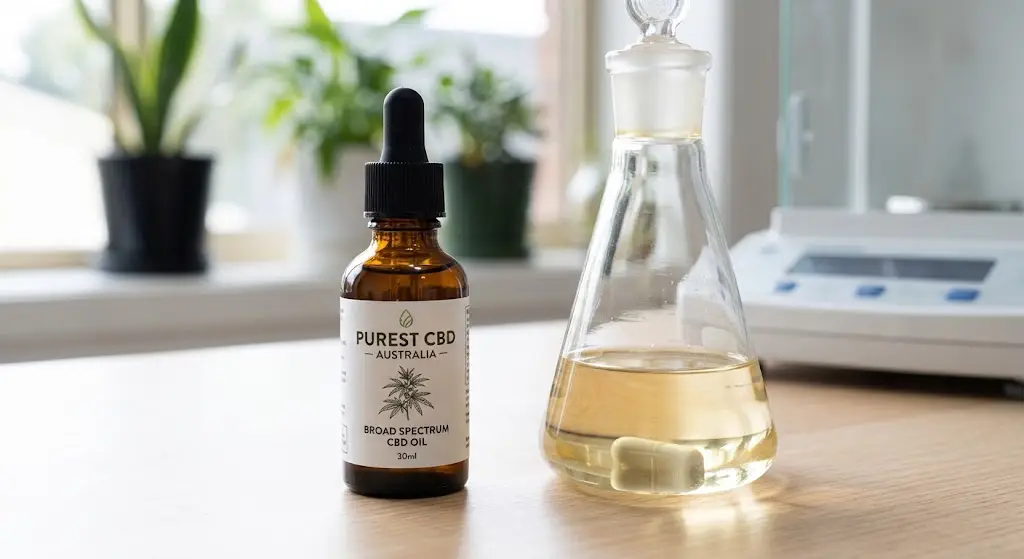
When evaluating botanical extracts, understanding Broad Spectrum CBD is essential for consumers seeking refined cannabinoid formulations. As interest in industrial hemp derivatives grows across Australia, navigating terminology and understanding exact product compositions allows individuals to make informed decisions. Broad-spectrum hemp extracts undergo specific processing methodologies designed to preserve beneficial plant compounds while removing target constituents. Here is a clear breakdown of five essential facts regarding broad-spectrum formulations and regulatory quality standards.
1. What Characterises Broad Spectrum CBD Formulations?
Broad Spectrum CBD refers to a refined hemp-derived extract containing a comprehensive range of naturally occurring cannabinoids and terpenes, with trace tetrahydrocannabinol (THC) selectively removed to non-detectable levels. Unlike CBD isolate—which consists strictly of isolated cannabidiol crystals—broad-spectrum formulations retain multiple minor cannabinoids such as cannabigerol (CBG) and cannabinol (CBN). This multi-compound botanical profile represents a middle ground between raw plant extracts and single-molecule isolates.
2. Selective Filtration and Non-Detectable THC in Broad Spectrum CBD
A primary distinguishing feature of broad-spectrum products is the advanced chromatography and distillation procedures used during manufacturing. Industrial hemp naturally contains minor amounts of THC. Through specialised purification processes, manufacturers isolate and remove THC molecules while protecting the structural integrity of other non-intoxicating cannabinoids. Independent laboratory testing using High-Performance Liquid Chromatography (HPLC) verifies that THC levels remain below analytical detection limits, ensuring compliance with Australian standards.
3. Synergistic Terpene and Cannabinoid Profiles
Hemp plants synthesise various aromatic compounds known as terpenes. Alongside cannabinoids, these plant terpenes contribute to the characteristic aroma, flavour, and stability of botanical extracts. In broad-spectrum processing, natural terpenes are either preserved during gentle extraction or carefully reintroduced to create a consistent, standardised profile. This natural synergy between minor cannabinoids and plant terpenes maintains the complex characteristics of the original plant material without including THC.
4. Integration of Broad Spectrum CBD with Quality Carrier Oils
Because pure broad-spectrum distillate is highly concentrated and viscous, it is routinely blended into clean carrier oils for accurate measurement and optimal formulation stability. Medium-chain triglyceride (MCT) oil derived from coconuts and cold-pressed hemp seed oil are two of the most common carrier bases. MCT oil provides a neutral taste profile and stable shelf life, while hemp seed oil delivers natural essential fatty acids. To explore diverse product guides and educational articles, visit the educational blog provided by Purest CBD Australia.
5. Third-Party Testing and Quality Verification
Verifying the purity and safety of hemp extracts requires rigorous analytical testing. Reputable manufacturers publish batch-specific Certificates of Analysis (COAs) conducted by accredited testing facilities. These laboratory reports confirm exact cannabinoid concentrations, verify the absence of detectable THC, and test for potential contaminants such as heavy metals, residual solvents, and pesticides. Australian regulatory guidance from authorities like the Therapeutic Goods Administration (TGA) emphasises transparency, legal compliance, and strict adherence to quality assurance standards across all consumer health and botanical sectors.
Frequently Asked Questions About Broad Spectrum CBD
- Is Broad Spectrum CBD legal in Australia? Broad-spectrum hemp products containing non-detectable THC must comply with TGA standards and Australian regulatory frameworks governing cannabinoid access.
- What is the difference between full spectrum and Broad Spectrum CBD? Full-spectrum extracts contain naturally occurring trace THC, whereas Broad Spectrum CBD undergoes selective filtration to remove THC to non-detectable levels while retaining minor cannabinoids.
- How do I verify the cannabinoid profile of Broad Spectrum CBD? Always inspect the product batch Certificate of Analysis (COA) from an independent laboratory to confirm exact cannabinoid percentages and non-detectable THC status.
Conclusion
Understanding the distinction between various hemp extract types empowers consumers to select products with confidence. Broad-spectrum formulations combine a multi-cannabinoid botanical profile with non-detectable THC standards, offering a balanced approach to clean product composition. Always review independent laboratory reports to ensure product authenticity and quality standards when selecting hemp-derived products.
Recent Comments