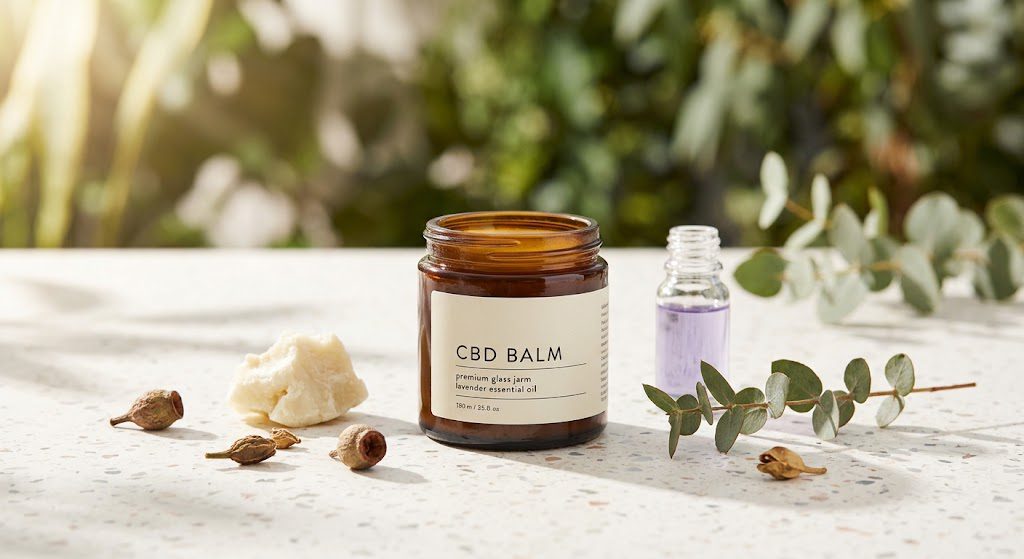
Navigating the expanding landscape of cannabinoid-infused skincare and balms requires a clear understanding of formulation standards, ingredient quality, and regulatory compliance. When exploring CBD Topicals, Australian consumers are increasingly seeking reliable, transparent guidance to make informed purchasing decisions. Because topical preparations interact with local biological pathways rather than entering the systemic bloodstream, evaluating product composition and manufacturing integrity is paramount.
Regulatory frameworks overseen by bodies such as the Therapeutic Goods Administration establish strict standards regarding how cannabinoid products are marketed and supplied across Australia. Understanding these guidelines ensures that you select products that align with legal compliance and quality expectations. To assist you in navigating the market effectively, here is a comprehensive look at what to look for when choosing high-standard formulations.
Understanding CBD Topicals and Localised Application
Unlike ingestible oils or tinctures, which are processed through the digestive system or absorbed sublingually, topical applications are designed specifically for external use. These formulations typically include balms, salves, lotions, and transdermal creams that are applied directly to the skin. The primary mechanism of action involves interacting with cannabinoid receptors located within the skin’s local tissue, offering targeted application without systemic distribution.
When manufacturing quality CBD Topicals, producers incorporate various carrier oils, botanical extracts, and natural waxes to enhance texture and absorption. Common carrier ingredients include hemp seed oil, coconut oil, shea butter, and essential oils like lavender or eucalyptus, which contribute both nourishing properties and pleasant sensory profiles. For further insights into broader product categories and formulation science, you can explore our comprehensive archive on the Purest CBD Blog.
5 Essential Factors for Choosing Quality CBD Topicals
Selecting a reliable topical product involves looking past marketing claims and examining verifiable product specifications. Here are five essential considerations to guide your purchasing journey:
- Review the Certificate of Analysis (CoA): Independent laboratory testing is the gold standard for verifying cannabinoid concentration and ensuring the absence of heavy metals, residual solvents, or pesticides. Always check that the batch number matches the testing report.
- Examine Ingredient Transparency: High-grade formulations disclose all ingredients clearly. Look for organic carrier oils, natural emulsifiers, and avoid synthetic fragrances or artificial parabens that might cause skin irritation.
- Understand Extract Types: Topicals may be formulated using full spectrum, broad spectrum, or isolated cannabinoid extracts. Knowing whether trace compounds or pure isolates are utilised helps you select the profile that suits your preferences.
- Assess Concentration and Potency: Total milligram content per container varies significantly across products. Reviewing the milligram strength relative to the jar size ensures you understand the concentration of the formulation.
- Evaluate Brand Reputation and Compliance: Research the manufacturer’s sourcing practices, extraction methods, and adherence to Australian labelling and compliance standards. Transparent brands readily provide customer support and documentation.
By keeping these five factors in mind, you can systematically filter out subpar products and focus on premium formulations that prioritise safety, purity, and manufacturing excellence.
Frequently Asked Questions About CBD Topicals
What is the difference between topicals and ingestible oils?
Topicals are formulated for external application onto the skin, interacting locally with cutaneous receptors without entering the bloodstream. Ingestible oils are consumed orally or sublingually for systemic absorption throughout the body.
Do CBD topicals require a prescription in Australia?
Regulatory classifications depend on the specific formulation, concentration, and intended use under Australian law. Consumers should consult current guidelines and healthcare professionals to understand the legal pathways for acquiring specific cannabinoid products.
How should skincare balms and salves be stored?
To preserve the integrity of natural carrier oils and active compounds, store your topical products in a cool, dry place away from direct sunlight. Proper sealing prevents oxidation and maintains product consistency over time.
In conclusion, approaching the market with a discerning eye ensures that your selection of CBD Topicals is guided by rigorous quality standards, transparent labelling, and strict adherence to Australian regulatory expectations.
Recent Comments