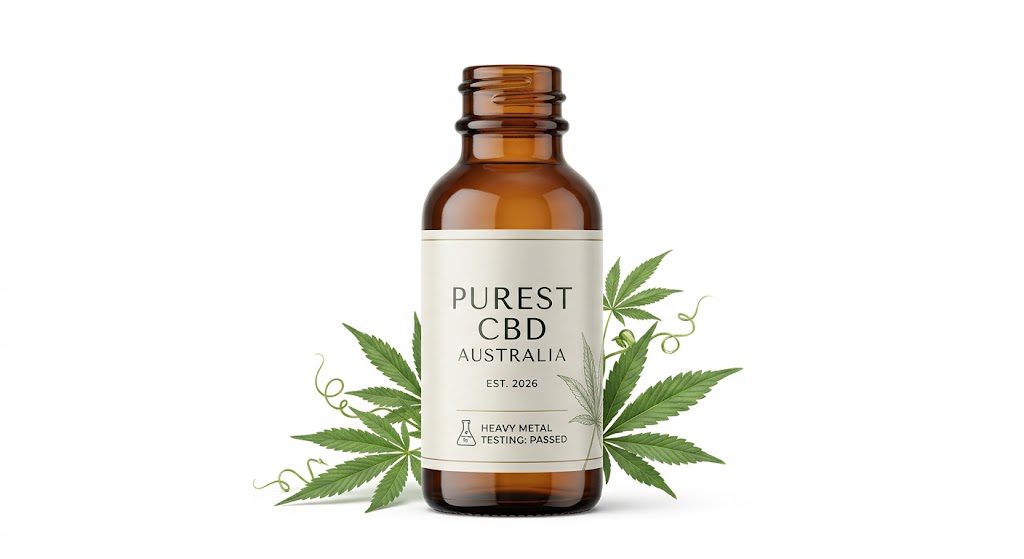
Navigating the complex landscape of consumer health products requires a rigorous understanding of quality assurance, safety protocols, and regulatory compliance. When consumers explore botanical extracts, wellness supplements, and hemp-derived products in Australia, ensuring product integrity is paramount.
A cornerstone of this quality assurance framework is heavy metal testing, a critical laboratory procedure designed to verify that consumable botanical extracts are entirely free from dangerous elemental contaminants. Understanding how these testing protocols operate empowers consumers, practitioners, and retail buyers to make informed, safety-conscious decisions based on verifiable scientific data rather than mere marketing claims.
Understanding Heavy Metal Testing in Botanical Extracts
Industrial hemp is a remarkably dynamic bio-accumulator, meaning its extensive root systems efficiently absorb minerals, nutrients, and trace elements directly from the surrounding soil and groundwater. While this natural botanical trait allows the plant to thrive across diverse and challenging agricultural environments, it also presents a significant quality control challenge.
If industrial hemp is cultivated in soils containing elevated levels of toxic elements—such as lead, cadmium, arsenic, or mercury—these hazardous contaminants can be absorbed into the plant tissue, stems, and leaves. During subsequent botanical extraction and concentration processes, these unwanted elements can become heavily concentrated in the final extract.
Consequently, rigorous heavy metal testing is an indispensable, non-negotiable step before any consumable product reaches the Australian market.
Analytical laboratories employ sophisticated, high-precision instrumentation—such as Inductively Coupled Plasma Mass Spectrometry (ICP-MS)—to detect and quantify elemental impurities down to extreme parts-per-billion (ppb) levels. This scientific precision ensures that botanical goods comply with strict safety thresholds and protect public health.
For broader context on national regulatory standards, therapeutic goods oversight, and chemical residue limits, you can consult the official guidelines provided by the Therapeutic Goods Administration (TGA).
4 Vital Safety Checks Used in Laboratory Screening
To guarantee comprehensive consumer protection and product safety, professional analytical testing facilities evaluate botanical extracts against specific elemental criteria. Below are the four essential screening parameters examined during a standard Australian laboratory assay:
- Lead Screening: Lead exposure poses severe, long-term health risks, particularly impacting neurological development, cognitive function, and cardiovascular health. Strict maximum residue limits are legally enforced to ensure lead concentrations remain well below hazardous safety thresholds.
- Cadmium Analysis: Cadmium is readily absorbed by agricultural crops grown in soils affected by industrial activity or phosphate fertilisers. Professional laboratory protocols measure cadmium levels meticulously to prevent bioaccumulation in human biological tissues.
- Arsenic Quantification: Both organic and inorganic forms of arsenic are evaluated separately during testing to determine overall toxicity risks within botanical raw materials and refined extracts, safeguarding consumer well-being.
- Mercury Verification: As a heavy metal well-known for bioaccumulating in environmental food webs, comprehensive mercury screening ensures that finished wellness items remain entirely untainted and safe for routine daily use.
Each of these evaluations forms a vital link in the overall chain of custody, ensuring that absolute transparency and product safety remain at the forefront of modern wellness manufacturing.
To explore broader educational resources on botanical extraction, phytochemical profiles, and quality assurance, visit our CBD Education Hub for comprehensive, in-depth articles.
Interpreting Certificates of Analysis (COAs)
For discerning Australian buyers and health-conscious consumers, the ultimate proof of product safety lies within a verified Certificate of Analysis (COA) issued by an independent, accredited third-party laboratory. A transparent COA explicitly details whether a specific product batch has undergone comprehensive heavy metal testing and displays the exact numerical concentrations of any detected elements.
Consumers should always look for test results reported in standard units like milligrams per kilogram (mg/kg) or parts per billion (ppb) alongside clearly defined maximum allowable safety limits. If a manufacturer or retail brand cannot provide an up-to-date, batch-specific COA confirming that elemental contaminants sit safely below detectable safety limits, consumers are strongly advised to exercise caution and explore alternative suppliers who prioritize absolute laboratory transparency.
For further insights into reading and understanding these complex laboratory reports, review our detailed guide on evaluating product purity and lab results.
Frequently Asked Questions About Heavy Metal Testing
What are heavy metals, and why do they appear in hemp plants?
Heavy metals are naturally occurring chemical elements possessing a high atomic weight and density. Because industrial hemp is an exceptionally efficient bio-accumulator, its root systems draw up minerals, nutrients, and trace elements from the soil in which it is cultivated. If the soil contains industrial runoff, pollution, or residual agricultural chemicals, these metals can accumulate within the plant matter.
How do laboratories test for elemental contaminants in extracts?
Accredited testing facilities primarily utilise advanced analytical equipment such as Inductively Coupled Plasma Mass Spectrometry (ICP-MS). This sophisticated technique vaporises the botanical sample and measures ionised atoms to detect and quantify trace heavy metals with extreme accuracy, often identifying impurities down to parts-per-billion levels.
Are heavy metal test results included on every product batch?
Reputable Australian brands provide a dedicated, batch-specific Certificate of Analysis (COA) for every production run. Consumers can typically access these verified laboratory reports by scanning a QR code located directly on the product packaging or by visiting the manufacturer’s official website to review current safety test outcomes.
Ultimately, prioritising rigorous safety standards, advanced analytical testing, and transparent manufacturing practices ensures a higher standard of health and wellness for all Australian consumers navigating the modern botanical supplement marketplace.
Recent Comments