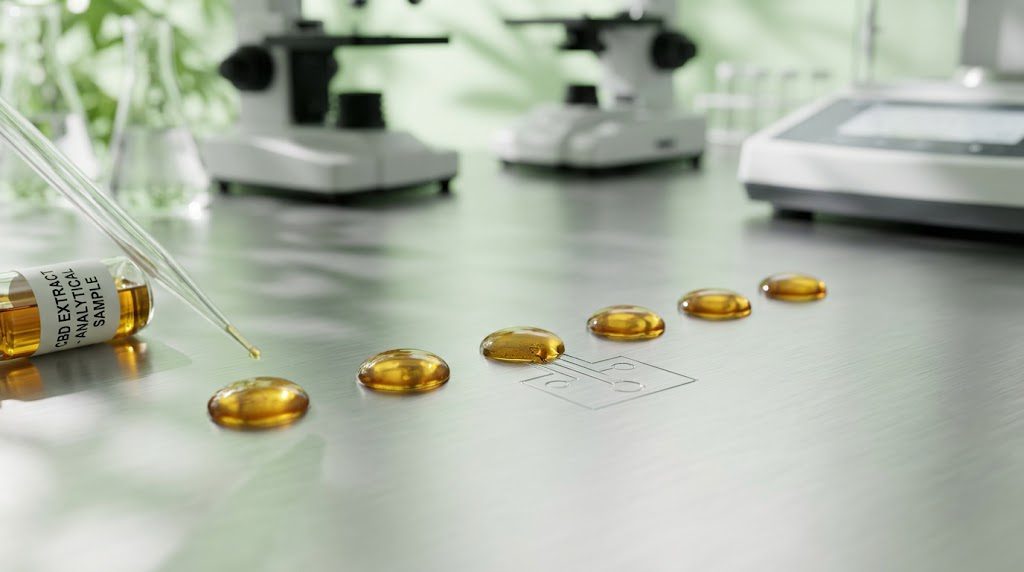
When exploring hemp-derived wellness options in Australia, understanding CBD absorption is essential for evaluating how different products interact with the human body. Whether you are reviewing botanical literature or examining product formulations, knowing the underlying scientific principles helps consumers make informed, evidence-based choices. In this guide, we examine five vital facts surrounding how cannabidiol is processed, absorbed, and utilised within physiological systems.
For official regulatory context regarding cannabinoid scheduling and public health standards, you can consult the Therapeutic Goods Administration guidelines.
1. The Biological Role of CBD Absorption
The term CBD absorption refers to the rate and extent to which cannabidiol enters the systemic circulation after administration. Unlike synthetic compounds, plant-derived phytocannabinoids interact with the body’s endocannabinoid system, a complex network of receptors and enzymes. The efficiency of this process depends heavily on the chosen delivery method, metabolic pathways, and individual biological factors.
When botanical extracts pass through the digestive system or mucosal membranes, their chemical structure undergoes distinct enzymatic modifications. Exploring our comprehensive resources on our botanical blog archives provides further context on how different extract compositions influence overall bioavailability.
2. How Delivery Methods Influence CBD Absorption Rates
Not all administration formats deliver active botanical compounds into the bloodstream with equal efficiency. Sublingual administration, for instance, allows cannabidiol to be absorbed directly through the mucous membranes beneath the tongue, bypassing first-pass liver metabolism to enter circulation more rapidly.
Conversely, oral consumption via edibles or capsules requires the compounds to traverse the gastrointestinal tract and the liver. During this digestive journey, hepatic enzymes metabolise a significant portion of the active constituents, altering the final concentration that reaches systemic circulation. This biochemical filtering is a primary reason why experienced consumers carefully evaluate delivery formats.
3. The Significance of First-Pass Metabolism
First-pass metabolism represents a critical checkpoint in human pharmacokinetics. When ingested orally, lipophilic compounds like cannabidiol are absorbed by the small intestine and transported directly to the liver via the portal vein. Hepatocytes deploy specialized enzymes, particularly the cytochrome P450 enzyme family, to break down these botanical molecules.
This metabolic processing significantly reduces the overall proportion of unchanged cannabidiol entering the bloodstream. Understanding this biochemical reality explains why sublingual and topical applications exhibit distinct absorption profiles compared to standard oral digestion.
4. Enhancing CBD Absorption Through Formulation Science
Modern extraction and formulation sciences continually seek to optimise CBD absorption through advanced delivery technologies. Because cannabinoids are naturally lipophilic (fat-soluble) and poorly soluble in water, scientists utilise lipid carriers, medium-chain triglyceride (MCT) oils, and nano-emulsion techniques to improve dispersion.
By breaking botanical extracts down into microscopic droplet sizes or binding them with dietary fats, formulators can enhance cellular uptake across biological membranes. Reviewing related articles on our educational hub highlights how quality manufacturing standards directly influence these advanced formulation outcomes.
5. Individual Variability and Biological Factors
No two human bodies process botanical compounds in precisely the same manner. Personal physiological differences—including metabolic rate, body composition, gastrointestinal pH levels, and whether a product is consumed alongside a meal—play a profound role in overall CBD absorption.
For example, consuming lipid-rich foods alongside oral hemp extracts can stimulate bile production and enhance lymphatic transport, improving overall systemic uptake. Recognising this individual variability underscores why personal experimentation with serving sizes requires patience and careful observation.
Frequently Asked Questions About CBD Absorption
What does CBD absorption mean in simple terms?
It refers to how efficiently cannabidiol enters the bloodstream from a product, allowing it to interact with the body’s physiological systems.
Why does the method of consumption matter for uptake?
Different methods use distinct entry pathways. Sublingual drops bypass first-pass liver metabolism for faster entry, while oral edibles undergo full hepatic processing.
Can dietary fats improve how hemp extracts are processed?
Yes. Because cannabidiol is lipophilic, consuming it with dietary fats can enhance lymphatic absorption and overall systemic availability.
In summary, mastering the fundamentals of CBD absorption empowers Australian consumers to critically evaluate product labels, formulation types, and delivery methods with confidence and clarity.
As the Australian regulatory landscape continues to evolve, staying informed through reliable educational resources ensures that consumers navigate hemp-derived options safely, rationally, and with a comprehensive grasp of underlying physiological mechanisms.
By keeping these physiological principles in mind, Australian wellness seekers can evaluate hemp formulations with greater discernment and scientific literacy.
Recent Comments