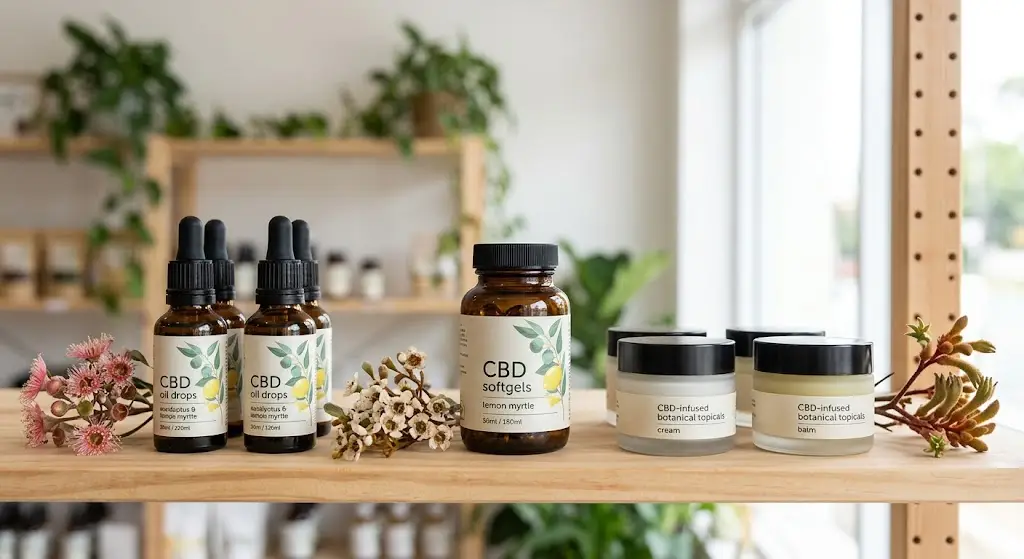
Navigating the growing market of hemp-derived formulations in Australia requires a clear understanding of the various CBD Product Types available today. Whether evaluating liquid solutions, botanical topicals, or encapsulated extracts, each format offers distinct physical characteristics, absorption pathways, and manufacturing standards. Selecting the most suitable option depends on individual requirements, sensory preferences, and intended usage routines. Understanding how these CBD Product Types are constructed helps consumers make informed, objective choices grounded in botanical science and quality standards.
In Australia, regulatory oversight by authorities such as the Therapeutic Goods Administration (TGA) ensures that botanical ingredients and low-dose cannabidiol preparations comply with rigorous quality, purity, and safety benchmarks. Consequently, formulators must maintain strict oversight during extraction, batch blending, and packaging across all available product formats.
5 Superior CBD Product Types Compared for Australian Consumers
Different product formats feature unique physical states, lipid carriers, and delivery mechanisms. Below is an educational overview comparing 5 primary CBD Product Types currently produced across the botanical industry:
- Sublingual Liquid Drops: Formulated using hemp extracts dissolved in lipid bases such as medium-chain triglyceride (MCT) oil or cold-pressed hemp seed oil. Liquid drops are administered under the tongue, allowing active botanical compounds to absorb through oral mucosal membranes. This format provides precise dosage control and straightforward routine management.
- Encapsulated Softgels & Capsules: Softgels enclose liquid hemp extracts inside an outer gelatin or plant-based cellulose shell. Encapsulated formats offer a completely taste-neutral option with pre-measured liquid amounts per unit, making them convenient for individuals seeking consistent handling without measuring liquid droppers.
- Topical Creams & Balms: Formulated specifically for external application to the skin, topicals combine active botanical hemp compounds with nourishing natural waxes, shea butter, essential oils, and botanical lipid carriers. Topical formulations act directly on localized skin areas without systemic absorption into the bloodstream.
- Water-Soluble Emulsions: Produced through nano-emulsification technology, these liquid concentrates break down fat-soluble hemp lipids into microscopic droplets suspended in aqueous solutions. Water-soluble liquid drops can be seamlessly mixed into water or non-alcoholic beverages without oil separation.
- Raw Botanical Isolate Powders: Isolate formulations represent highly purified crystalline compounds where non-target phytochemicals, waxes, and secondary lipids have been removed. Isolate powders provide formulators with a versatile raw ingredient that can be blended into specialized carrier oils, cosmetic topicals, or oral formulations.
Key Factors When Evaluating CBD Product Types
When comparing different CBD Product Types, evaluating raw ingredient transparency and manufacturing protocols is essential for assessing overall product integrity. Key criteria include:
- Extraction Methodology: Clean extraction techniques, such as supercritical carbon dioxide (CO2) extraction, isolate desirable phytochemicals without leaving harmful chemical residues or solvent contaminants.
- Carrier Base Compatibility: The choice of lipid carrier in liquid formulations—such as MCT, olive, or sunflower oil—influences formulation viscosity, flavour profile, and resistance against lipid oxidation over time.
- Analytical Verification: Every batch across all product formats should be accompanied by an independent Certificate of Analysis (CoA) from an accredited testing laboratory. CoAs verify cannabinoid profiles, microbial purity, and the total absence of heavy metals or pesticides.
To deepen your understanding of hemp science, quality testing, and formulation standards in Australia, explore our comprehensive Purest CBD Australia blog.
Frequently Asked Questions About CBD Product Types
1. How do liquid sublingual drops differ from softgel capsules?
Liquid drops are measured using an oral dropper and absorbed sublingually via mucosal membranes, allowing flexible volumetric adjustments. Softgel capsules contain pre-measured units in a solid shell, offering convenient portability and a neutral flavour profile without requiring fluid measurement.
2. What should consumers look for when reviewing product packaging?
Always examine the product label for total active ingredient content per container and per unit, clear lot and batch numbers, storage recommendations, and a direct link or QR code to an accredited Certificate of Analysis verifying purity.
3. Are all CBD Product Types processed in the same way?
No. While all formats originate from industrial hemp plants, processing methods vary significantly. Liquid options require lipid carrier blending, topicals incorporate cosmetic lipid bases, and isolate powders undergo multi-stage crystallization to remove secondary plant compounds.
4. How should different product formats be stored to maintain shelf stability?
Regardless of format, products should be stored in dark glass containers or opaque packaging in a cool, dry place away from direct sunlight and heat exposure. Proper storage protects lipid bases and active botanical compounds from oxidative degradation.
In summary, selecting among the various CBD Product Types comes down to evaluating personal preferences, dosage precision, and formulation stability. By prioritizing batch transparency and verified laboratory testing, Australian consumers can navigate product selections with confidence.
Recent Comments