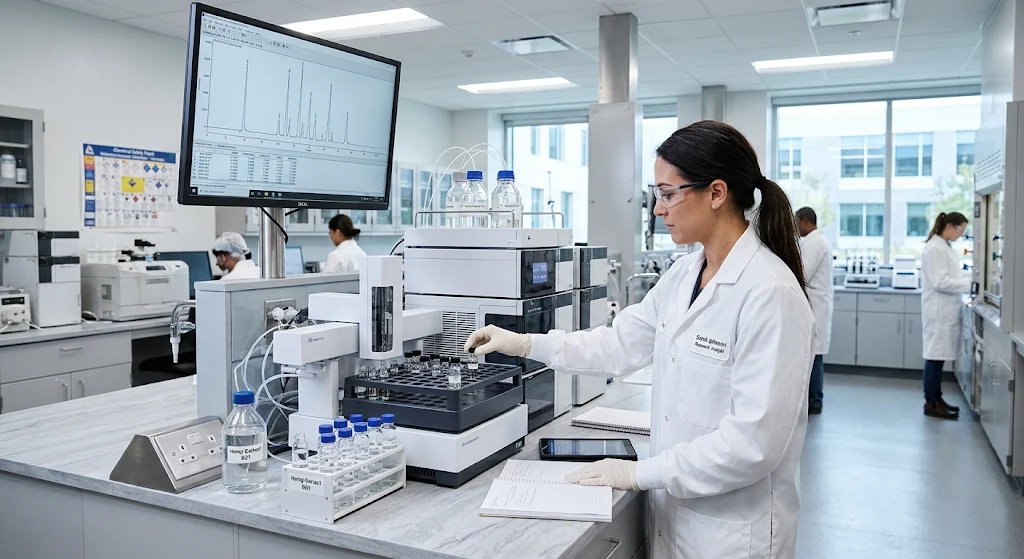
Navigating the complex landscape of botanical wellness and cannabinoid formulations requires stringent analytical methodologies. In the Australian market, ensuring product standardisation and consumer safety relies heavily on advanced laboratory techniques. Among these, HPLC Testing stands as a cornerstone for validating the exact chemical composition of hemp-derived extracts. Understanding how high-performance liquid chromatography operates provides valuable insight into quality assurance protocols across the industry.
For consumers and practitioners alike, clarity surrounding laboratory reports is paramount. Independent analytical laboratories evaluate raw materials and finished formulations to verify purity and compliance with regulatory frameworks set by national bodies such as the Therapeutic Goods Administration. By examining the structural breakdown of cannabinoids, industry professionals can maintain high standards of transparency, safety, and accountability in every batch produced.
What is HPLC Testing and How Does It Work?
High-performance liquid chromatography is an advanced analytical technique used to separate, identify, and quantify each component in a complex mixture. In the context of hemp extracts, HPLC Testing forces a liquid sample through a column packed with stationary phase material under high pressure. Because different chemical compounds interact differently with the column materials, they travel at varying speeds and emerge at distinct retention times.
This precise separation allows laboratory technicians to measure the exact concentration of major and minor cannabinoids present in a batch. Unlike other analytical methods that require high temperatures—which can potentially alter sensitive chemical structures—chromatography conducted at room temperature preserves the integrity of heat-sensitive compounds. Furthermore, modern analytical laboratories calibrate their equipment meticulously to detect even trace amounts of secondary plant metabolites. For further insights into broader industry standards and educational resources, you can explore our educational blog archive.
Why Precision Matters in Cannabinoid Analysis
Accuracy in laboratory reporting is essential for maintaining product consistency and consumer confidence. Without rigorous analytical oversight, variations in potency can occur between batches, leading to inconsistent user experiences. Utilizing sophisticated verification procedures ensures that formulations meet strict quality benchmarks established for contemporary botanical products.
Furthermore, analytical precision helps differentiate between full-spectrum extracts, broad-spectrum profiles, and pure isolate formulations. Accurate quantification ensures that each product label accurately reflects its contents, supporting informed consumer choices across Australia. Maintaining these rigorous analytical standards requires continuous calibration, certified reference materials, and strict adherence to international laboratory accreditation guidelines.
The Role of HPLC Testing in Quality Assurance
Comprehensive quality assurance protocols depend on multi-tiered testing regimens. While microbial screening and heavy metal analysis evaluate safety from environmental contaminants, HPLC Testing focuses specifically on chemical profiling and cannabinoid potency verification.
Manufacturers rely on these detailed chromatograms to fine-tune their extraction and formulation processes. Each analytical run generates a visual graph with distinct peaks corresponding to specific compounds, allowing technicians to verify that active ingredient levels fall within acceptable tolerances and regulatory specifications. This rigorous documentation forms the backbone of trustworthy product labeling and batch tracking.
Interpreting Certificates of Analysis (CoA)
A Certificate of Analysis serves as the ultimate proof of a product’s laboratory verification. When reviewing a CoA, consumers and practitioners should look for specific data points generated by analytical chromatograms:
- Retention Time: The specific time taken for a compound to pass through the column, confirming its chemical identity.
- Peak Area: Corresponds directly to the relative concentration of the target compound within the test sample.
- Limit of Detection (LOD): The lowest quantity of a substance that can be reliably distinguished from background noise.
- Limit of Quantification (LOQ): The lowest concentration that can be quantitatively measured with stated precision and accuracy.
Reviewing these essential metrics alongside our detailed product selection guides empowers buyers to make educated decisions regarding quality, composition, and overall compliance.
Frequently Asked Questions About HPLC Testing
What is the main advantage of this chromatographic method over other techniques?
High-performance liquid chromatography operates at ambient temperatures, preventing thermal degradation of delicate cannabinoid structures and volatile plant compounds during the analytical procedure.
How does analytical verification protect consumers in Australia?
Independent verification ensures that product labels accurately state cannabinoid concentrations, confirming that formulations meet stringent local quality expectations and safety parameters.
Can this analytical process detect non-cannabinoid botanical components?
Yes, advanced chromatographic setups can be calibrated to identify specific flavonoids, terpenes, and plant waxes alongside primary cannabinoids, offering a comprehensive profile of the botanical extract.
Recent Comments