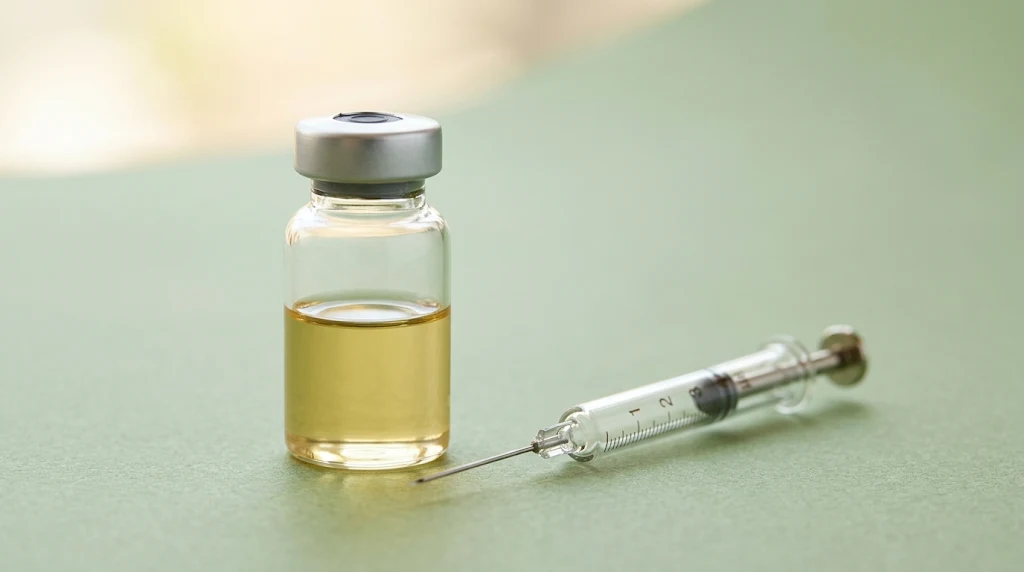
Residual solvent testing is an essential analytical laboratory procedure used to detect and quantify trace chemical solvents remaining in hemp extracts after botanical refinement. During the production of purified cannabidiol (CBD) distillates and isolates, manufacturers frequently rely on hydrocarbon, alcohol, or supercritical fluid extraction methods to separate cannabinoids from raw plant biomass. Without rigorous post-extraction purging and independent laboratory verification, trace amounts of ethanol, butane, propane, or heptane can persist inside the finished oil. For Australian consumers, healthcare practitioners, and product formulators evaluating batch documentation, understanding how laboratories verify solvent clearance provides objective assurance of manufacturing integrity and compliance with strict regulatory thresholds.

Why Residual Solvent Testing Matters in Hemp Extraction
Extracting phytocannabinoids from Cannabis sativa biomass requires specialised chemical environments capable of dissolving lipid-soluble compounds from glandular trichomes. While supercritical carbon dioxide (CO2) naturally evaporates as a gas at ambient pressure, many commercial producers utilise food-grade ethanol or light hydrocarbons to achieve high extraction efficiency, followed by winterisation and vacuum distillation to remove plant waxes and chlorophyll.
If vacuum purging temperatures or residence times are poorly calibrated during refinement, volatile organic compounds may remain trapped within the viscous cannabinoid resin. Independent Purest CBD Australia educational resources highlight that visual inspection cannot detect microscopic solvent residues. Only accredited laboratory instrumentation can confirm that evaporation protocols successfully reduced every processing agent below established toxicological safety limits.
6 Vital Checks in Residual Solvent Testing Protocols
When reviewing a third-party Certificate of Analysis (COA) for an Australian CBD formulation, six core analytical benchmarks confirm that solvent screening has been performed accurately and thoroughly:
- Headspace Gas Chromatography-Mass Spectrometry (HS-GC-MS): Accredited laboratories use headspace sampling coupled with gas chromatography and mass spectrometry to gently heat the hemp extract in a sealed vial. Volatile solvent molecules vaporise into the headspace gas without degrading the non-volatile cannabinoid oil, allowing precise separation and molecular identification.
- USP <467> and ICH Q3C Solvent Classification: Reliable testing panels categorise solvents according to international pharmacopeial standards—specifically Class 1 (solvents to be avoided), Class 2 (solvents to be limited due to inherent toxicity), and Class 3 (low-toxicity solvents such as ethanol and heptane).
- Parts Per Million (ppm) Limit of Detection (LOD): A valid COA explicitly states both the Limit of Detection (LOD) and Limit of Quantitation (LOQ) in parts per million or micrograms per gram (µg/g), ensuring the instrument can detect trace residues well below maximum allowable concentration thresholds.
- Comprehensive Hydrocarbon and Alcohol Screening: Even when a manufacturer advertises supercritical CO2 extraction, ethanol is commonly introduced downstream during winterisation. A complete panel screens across n-butane, isobutane, propane, ethanol, methanol, acetone, isopropanol, hexane, and ethyl acetate rather than testing for a single compound.
- ISO/IEC 17025 Laboratory Accreditation: Analytical validity depends on the testing facility holding current ISO/IEC 17025 accreditation for chemical testing, verifying calibrated reference standards, validated extraction recovery rates, and unbiased third-party reporting.
- Batch-Specific Lot Number Traceability: The batch or lot number printed on the physical product packaging must match the exact sample identifier recorded on the laboratory COA, proving that the tested extract corresponds directly to the finished retail bottle.
Australian Regulatory Standards for Solvent Limits
In Australia, medicinal cannabis products and purified cannabinoid ingredients are regulated under strict quality frameworks overseen by the Therapeutic Goods Administration (TGA). Under Therapeutic Goods (Standard for Medicinal Cannabis) (TGO 93) and relevant pharmacopeial monographs, finished products and active pharmaceutical ingredients must conform to internationally harmonised residual solvent limits.
Suppliers must demonstrate through validated batch testing that any processing solvent used during extraction or chromatography does not exceed permissible daily exposure thresholds. Consumers and clinicians seeking official regulatory guidance on medicinal cannabis quality standards can consult the Therapeutic Goods Administration (TGA) directly for current legislative instruments and compliance updates.
Interpreting Results on a Certificate of Analysis
Reading the solvent panel on a laboratory report requires distinguishing between three standard reporting notations:
- ND (Not Detected): The target solvent was not present above the instrument’s Limit of Detection, representing the cleanest analytical outcome.
- < LOQ (Below Limit of Quantitation): A trace signal was observed above the detection threshold, but at a concentration too low to assign an exact numerical figure, remaining well within compliant pass limits.
- PASS / FAIL Action Limits: Each individual analyte row lists the measured result alongside the regulatory maximum limit (for example, 5,000 ppm for Class 3 ethanol under standard pharmacopeial guidelines) and a clear Pass or Fail status.
Frequently Asked Questions About Residual Solvent Testing
What does “ND” mean on a residual solvent testing report?
“ND” stands for Not Detected. It indicates that the laboratory’s gas chromatography equipment found no measurable concentration of that specific chemical solvent above the method’s lowest Limit of Detection (LOD).
Why is residual solvent testing necessary for CO2-extracted CBD?
Although primary supercritical CO2 extraction leaves no liquid solvent behind, processors frequently use ethanol during secondary winterisation to remove plant lipids and waxes. Testing confirms that all secondary refinement agents have been completely purged.
Which laboratory method is most accurate for detecting trace solvents?
Headspace Gas Chromatography-Mass Spectrometry (HS-GC-MS) is the industry gold standard because it isolates volatile solvent vapours cleanly from heavy cannabinoid resins, preventing column contamination and delivering exact parts-per-million measurements.
Consistent residual solvent testing bridges the gap between raw botanical extraction and verified pharmaceutical-grade purity. By confirming accredited HS-GC-MS methodology, reviewing individual parts-per-million thresholds, and matching batch numbers across every Certificate of Analysis, Australian buyers can verify that their CBD products meet rigorous purity and quality assurance benchmarks.
Recent Comments