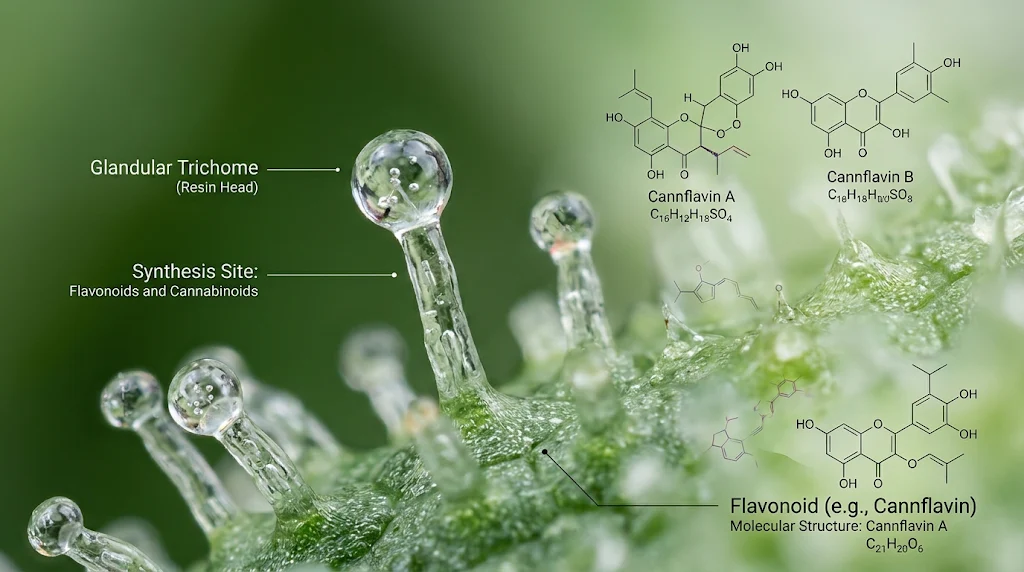
When exploring the complex botanical profile of the hemp plant, attention is frequently directed toward cannabinoids like CBD or aromatic terpenes. However, hemp flavonoids represent an equally fascinating class of bioactive compounds that contribute significantly to the plant’s natural characteristics. These secondary plant metabolites play a crucial role in botanical defense, coloration, and overall biochemical diversity, forming an integral part of the broader cannabis profile studied by researchers and industry professionals across Australia.
Understanding these naturally occurring compounds provides valuable insight into how industrial hemp functions at a cellular level. While regulatory bodies such as the Therapeutic Goods Administration (TGA) maintain strict guidelines regarding therapeutic claims and commercial product marketing, objective scientific education into plant constituents remains essential. For broader insights into botanical standards and educational resources, you can explore our CBD education archive.
Table of Contents
- What Are Hemp Flavonoids and Where Do They Occur?
- 7 Fascinating Facts About Hemp Flavonoids
- The Science of Extraction and Analytical Testing
- Frequently Asked Questions About Hemp Flavonoids
What Are Hemp Flavonoids and Where Do They Occur?
Hemp flavonoids are a diverse group of polyphenolic molecules synthesized naturally within the trichomes and aerial tissues of the Cannabis sativa plant. Chemically, flavonoids are categorised into several distinct subclasses, including flavones, flavonols, and specialized prenylated flavonoids unique to the cannabis genus, such as cannflavin A and cannflavin B. These compounds are largely responsible for protecting the plant from environmental stressors, absorbing harmful ultraviolet radiation, and attracting beneficial pollinators through subtle pigmentation.
In analytical testing laboratories, detecting and quantifying these phenolic compounds requires advanced chromatography techniques. Unlike major cannabinoids, which exist in high concentrations, flavonoids typically comprise a smaller percentage of the total dry plant weight yet exert a powerful influence on the overall synergistic profile of raw hemp extracts.
7 Fascinating Facts About Hemp Flavonoids
To fully appreciate these remarkable botanical compounds, let us examine seven key facts detailing their biochemical nature, occurrence, and scientific relevance across industrial hemp cultivation and processing:
- Unique Cannabinoid-Associated Compounds: Certain flavonoids, specifically cannflavins A and B, are found almost exclusively in the cannabis and hemp genus, setting them apart from standard plant flavonoids like quercetin or rutin.
- Coloration and Pigmentation: These compounds contribute to the vibrant hues observed in hemp flowers and leaves, helping shield delicate cellular structures from intense solar radiation.
- Synergistic Botanical Role: Working alongside terpenes and cannabinoids, these molecules contribute to the intricate biochemical entourage effect within whole-plant botanical preparations.
- Ultraviolet Protection: By acting as natural biochemical filters, they absorb high-energy UV rays, safeguarding the plant’s photosynthetic machinery during peak daylight hours.
- Advanced Laboratory Detection: High-Performance Liquid Chromatography (HPLC) is standardly employed by analytical testing facilities to accurately isolate and measure flavonoid concentrations.
- Environmental Adaptation: The biosynthesis of these polyphenols increases in response to environmental stressors, demonstrating the plant’s robust adaptability.
- Ongoing Phytochemical Research: Australian and international botanical institutions continue to investigate the complex structural properties of these secondary metabolites.
The Science of Extraction and Analytical Testing
Isolating and preserving delicate plant constituents during manufacturing requires precise temperature control and advanced processing methods. Because polyphenols can be sensitive to excessive thermal degradation, modern processing facilities utilise refined techniques such as subcritical or supercritical carbon dioxide extraction to maintain molecular integrity.
Rigorous quality assurance protocols ensure that analytical transparency is maintained across all batches. Consumers and industry participants looking for detailed verification can review our quality testing archive to understand how independent laboratory certificates validate product purity and constituent profiles.
Frequently Asked Questions About Hemp Flavonoids
What is the primary function of these compounds in the living plant?
In the living hemp plant, these polyphenolic compounds serve primarily as protective agents against ultraviolet radiation, pests, and environmental stress, while also assisting in pigmentation and cellular defense.
Are these compounds identical to cannabinoids?
No. While both cannabinoids and flavonoids are synthesized within the plant’s glandular trichomes, they belong to completely different chemical families. Cannabinoids are terpenophenols, whereas flavonoids are polyphenolic compounds common across the plant kingdom.
How are these constituents measured in laboratory testing?
Analytical laboratories typically utilize advanced liquid chromatography methods, such as HPLC coupled with mass spectrometry, to accurately identify and quantify individual flavonoid molecules in hemp samples.
Ultimately, ongoing botanical research into hemp flavonoids continues to expand our understanding of cannabis science, reinforcing the value of comprehensive analytical transparency across the Australian industry.
Recent Comments