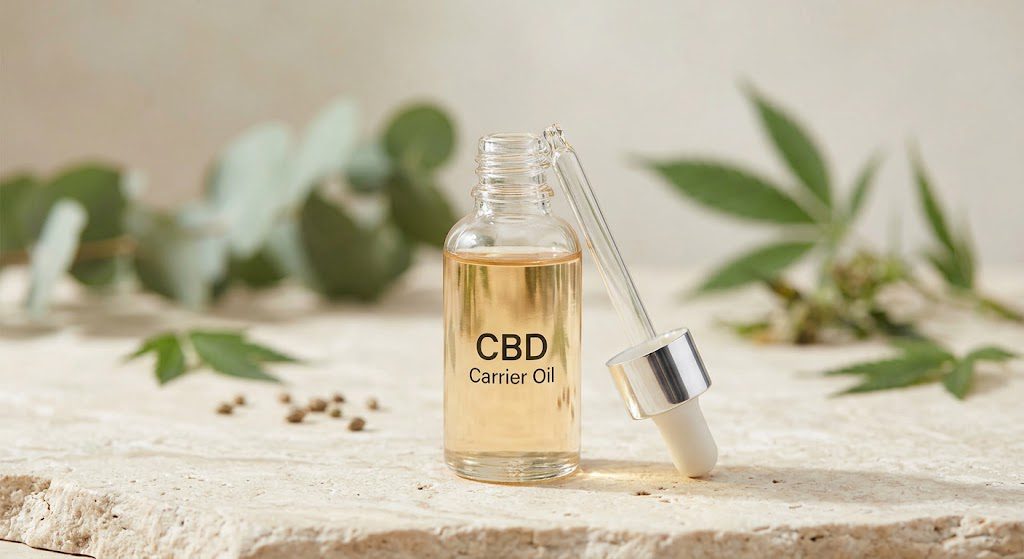
When evaluating broad-spectrum hemp formulations, understanding the role of CBD Carrier Oil is vital for consumers and researchers alike. A lipid matrix serves as the vehicle through which lipophilic cannabinoids are dissolved, stabilised, and distributed within topical or oral liquid preparations. Different base lipids display distinct chemical stability profiles, fatty acid concentrations, and viscosities. Evaluating how a base oil interacts with active hemp compounds ensures product consistency and shelf longevity. In this guide, we examine five essential factors that define high-quality carrier lipid formulations in modern botanical product design.
Understanding the Role of CBD Carrier Oil in Formulations
Botanical cannabinoids, including cannabidiol (CBD), are non-polar, lipophilic molecules. In their purified or isolated states, these compounds do not mix readily with water-based liquids. To create uniform liquid solutions, manufacturers dissolve hemp extracts into a lipid base. A carefully formulated CBD Carrier Oil plays a critical technical role in ensuring that every droppable volume contains an even dispersion of active phytochemicals.
Beyond simple solubilisation, the chosen lipid base influences the physical stability of the finished product. Unrefined oils containing high levels of polyunsaturated fatty acids may be susceptible to oxidative degradation over time if exposed to oxygen, ambient heat, or ultraviolet light. Consequently, selecting an appropriate lipid medium requires balancing oxidation resistance, viscosity, and natural flavour profiles. Consumers exploring our Product Guides archive can learn more about how different product compositions affect overall consistency and usability.
Key Factors for Evaluating CBD Carrier Oil Quality
When reviewing product labels and technical specifications, several technical metrics help determine the suitability of a base oil. Below are five core factors that reputable manufacturers evaluate when selecting a carrier lipid matrix:
1. Saturated vs. Polyunsaturated Fatty Acid Profiles
The molecular structure of a carrier lipid dictates its stability against oxidation. Saturated fats, such as medium-chain triglycerides (MCT) derived from coconut or palm kernel oil, contain single chemical bonds that resist atmospheric oxidation. Conversely, oils rich in polyunsaturated fatty acids, such as hemp seed oil or flaxseed oil, contain double bonds that make them more vulnerable to light and thermal stress over extended storage periods.
2. Viscosity and Liquid Dispensing Mechanics
Viscosity directly affects dispensing accuracy when using volumetric droppers or pump mechanisms. Thinner oils, like refined MCT, flow easily and allow for precise measurement. Thicker lipid bases, such as raw hemp seed oil or olive oil, exhibit higher viscosity, which can alter dropping speeds and tactile feel during topical application.
3. Flavour Neutrality and Organoleptic Traits
The natural aroma and taste profile (organoleptic properties) of the base lipid significantly impact user experience. MCT oil is virtually odourless and tasteless, allowing the natural botanical terpene profile of the hemp extract to remain prominent. In contrast, cold-pressed hemp seed oil delivers a distinct, earthy, and nutty flavour that some users prefer for unflavoured natural formulations.
4. Sourcing and Purity Standards
Because lipid bases account for the majority of liquid formulation volume, sourcing high-grade, food-grade or pharmaceutical-grade base oils is paramount. Quality control protocols should verify the absence of heavy metals, residual solvents, pesticides, and microbial contaminants in both the raw carrier oil and the final blended product.
5. Compatibility and Shelf Stability
Formulations must maintain physical clarity and prevent recrystallisation or phase separation across varying environmental temperatures. A stable lipid matrix ensures that cannabinoids remain completely dissolved throughout the product’s shelf life without settling at the bottom of the container.
Common Lipid Bases Used in Hemp Formulations
Several vegetable and plant-derived oils are commonly utilised as carrier bases across the industry. Each brings distinct physical properties to liquid formulations:
- Medium-Chain Triglyceride (MCT) Oil: A light, clear lipid typically fractionated from coconut oil. Known for exceptional oxidative stability, neutral taste, and low viscosity.
- Cold-Pressed Hemp Seed Oil: Extracted from industrial hemp seeds (Cannabis sativa L.). Rich in omega-3 and omega-6 essential fatty acids, offering a natural green hue and earthy flavour profile.
- Extra Virgin Olive Oil: Rich in monounsaturated oleic acid and natural antioxidants (polyphenols), providing moderate shelf stability with a characteristic botanical flavour.
- Avocado Oil: High in monounsaturated fats and vitamin E, frequently incorporated into topical or cosmetic formulations due to its rich texture.
Regulatory overview in Australia is maintained by government authorities such as the Therapeutic Goods Administration (TGA), which establishes strict quality standards for goods distributed across the country. Understanding these foundational standards helps consumers interpret product documentation and Certificates of Analysis with greater clarity. You can read more about broad product standards across our educational blog archives.
Frequently Asked Questions About CBD Carrier Oil
What is the primary function of a carrier oil in CBD products?
A carrier oil acts as a solvent and lipid matrix that evenly distributes lipophilic hemp compounds, ensuring precise volume dispensing, physical stability, and product homogeneity across liquid formulations.
Does the choice of carrier oil alter the taste of the product?
Yes. Refined MCT oil provides a virtually tasteless and odourless foundation, whereas unrefined cold-pressed hemp seed oil or extra virgin olive oil imparts distinct nutty or grassy botanical flavours.
How should liquid products containing carrier oils be stored?
Products should be stored in amber or opaque glass containers away from direct sunlight, excess heat, and moisture to minimise oxidative breakdown of both the lipid matrix and active cannabinoids.
Conclusion
Evaluating the characteristics of a CBD Carrier Oil is an essential aspect of understanding hemp formulation quality. By analysing fatty acid compositions, viscosity, organoleptic traits, and storage requirements, consumers and industry professionals can better assess product integrity. Purest CBD Australia remains dedicated to providing transparent, educational information on all aspects of botanical cannabinoid science and manufacturing standards.
Recent Comments