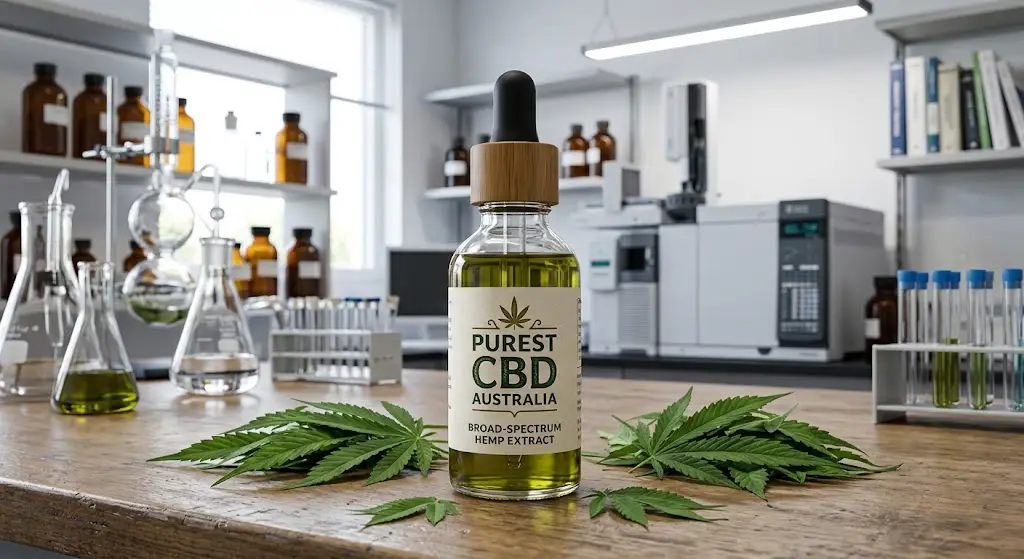
The study of industrial hemp (Cannabis sativa L.) extends far beyond major phytocannabinoids like cannabidiol (CBD). At the core of plant science and botanical research lies the study of aromatic hydrocarbon compounds known as terpenes. Examining Hemp Terpene Profiles provides critical scientific insight into the chemical complexity, cultivar identification, and overall stability of refined hemp extracts. Across the Australian hemp industry, understanding how these volatile organic compounds develop within glandular trichomes helps researchers, manufacturers, and educated consumers evaluate product quality and purity. As highlighted across the Purest CBD Australia educational resource center, transparent plant science and rigorous analytical standards remain essential for establishing educational clarity surrounding modern hemp formulations.
Understanding Hemp Terpene Profiles and Botanical Chemistry
Terpenes represent one of the largest and most diverse classes of naturally occurring organic compounds found throughout the plant kingdom. In industrial hemp, terpenes are biosynthesised within the microscopic, bulbous structures known as glandular trichomes, which heavily coat the flowers and leaves of mature female plants. From a biochemical standpoint, terpenes consist of repeating units of isoprene (C5H8) and are broadly categorised based on their molecular structure into monoterpenes (containing two isoprene units, such as myrcene and limonene) and sesquiterpenes (containing three isoprene units, such as beta-caryophyllene and humulene).
In natural ecosystems, these volatile secondary metabolites perform vital biological functions for the hemp plant. They act as natural defence mechanisms against insect pests, protect plant tissues from damaging ultraviolet radiation, and protect against environmental stressors. For researchers analysing Hemp Terpene Profiles, these compounds serve as chemical fingerprints that distinguish individual cultivars and reflect agricultural cultivation conditions, soil nutrition, harvesting timing, and post-harvest drying methodologies.
5 Essential Insights Into Hemp Terpene Profiles
To better understand the scientific significance of botanical terpenes in industrial hemp, consider these five core analytical insights:
1. Chemical Diversity and Dominant Terpenes in Industrial Hemp
Industrial hemp produces over 100 distinct terpene compounds, though a select group of primary terpenes typically dominates the botanical profile. The most prevalent terpenes include Myrcene (characterised by an earthy, herbal scent), Alpha-Pinene and Beta-Pinene (offering pine-like aromatic qualities), Limonene (providing citrus aroma notes), Beta-Caryophyllene (a unique sesquiterpene that also interacts directly with plant cannabinoid receptors), and Linalool (known for floral aromatic properties). The precise ratio of these dominant terpenes determines the distinct aromatic signature and chemical identity of each botanical extract.
2. Analytical Testing Methods and Regulatory Standards
Accurate identification and quantification of terpene compounds require specialised laboratory instrumentation. High-performance testing facilities utilise Gas Chromatography-Mass Spectrometry (GC-MS) or Gas Chromatography-Flame Ionization Detection (GC-FID) to analyse volatile organic compounds without thermal degradation. In Australia, rigorous quality assurance aligns with broad standards maintained by regulatory bodies such as the Therapeutic Goods Administration (TGA), ensuring that commercial botanical extracts undergo standardised testing to verify identity, purity, and freedom from residual contaminants.
3. Extraction Dynamics and Thermal Sensitivity
Terpenes are highly volatile compounds that are susceptible to degradation when exposed to excessive heat, oxygen, or light. Standard extraction processes, such as supercritical carbon dioxide (CO2) extraction and cold-ethanol extraction, are carefully calibrated to preserve these delicate aromatic molecules. Advanced extraction facilities employ low-temperature fractional distillation to capture terpene fractions prior to decarboxylation, allowing manufacturers to recombine natural terpene profiles into finished hemp extracts without thermal degradation.
4. Synergistic Botanical Interactions and Chemical Balance
From a plant science perspective, terpenes contribute significantly to the broader chemical dynamics of full-spectrum and broad-spectrum hemp extracts. Known scientifically as phytocannabinoid-terpenoid synergy, this interaction reflects how non-cannabinoid secondary metabolites function alongside cannabinoids within the botanical matrix. Maintaining balanced terpene ratios ensures that broad-spectrum extracts closely reflect the natural botanical composition of the original hemp harvest.
5. Quality Verification and Certificate of Analysis (COA) Transparency
For Australian consumers evaluating premium hemp products, reviewing third-party batch documentation is a crucial quality verification step. A comprehensive Certificate of Analysis (COA) provides an itemised breakdown of terpene concentrations alongside cannabinoid potency and safety testing. Transparent analytical reporting across the Purest CBD Australia product range ensures that every product reflects precise botanical standardisation and verified ingredient integrity.
Frequently Asked Questions About Hemp Terpene Profiles
What are hemp terpene profiles?
Hemp terpene profiles refer to the specific combination and concentration of volatile aromatic compounds found in a particular hemp plant cultivar or extract. These profiles serve as chemical fingerprints, defining the aromatic characteristics and botanical identity of the extract.
How does extraction affect terpene retention in hemp?
Because terpenes are heat-sensitive volatile organic compounds, aggressive or high-heat extraction techniques can cause evaporative loss or thermal degradation. Gentle methods like supercritical CO2 extraction or cold-temperature ethanol processing are utilised to preserve delicate terpene structures.
Why is independent laboratory testing essential for terpenes?
Independent laboratory testing using Gas Chromatography ensures accurate quantification of individual terpene levels while verifying that the product is free from pesticides, heavy metals, or residual solvent contaminants.
What is the difference between broad-spectrum and isolated hemp extracts regarding terpenes?
Broad-spectrum hemp extracts retain a rich blend of naturally occurring terpenes and secondary cannabinoids with zero detectable THC, whereas isolated formulations consist exclusively of isolated single cannabinoids devoid of terpene compounds.
In summary, scientific evaluation of Hemp Terpene Profiles provides essential insights into plant genetics, extraction efficiency, and product standardisation. By combining advanced analytical testing, low-temperature extraction techniques, and transparent laboratory verification, the Australian hemp industry continues to elevate standards for quality and botanical authenticity. Understanding these botanical principles empowers individuals to make informed, scientifically grounded decisions regarding hemp formulations.
Recent Comments