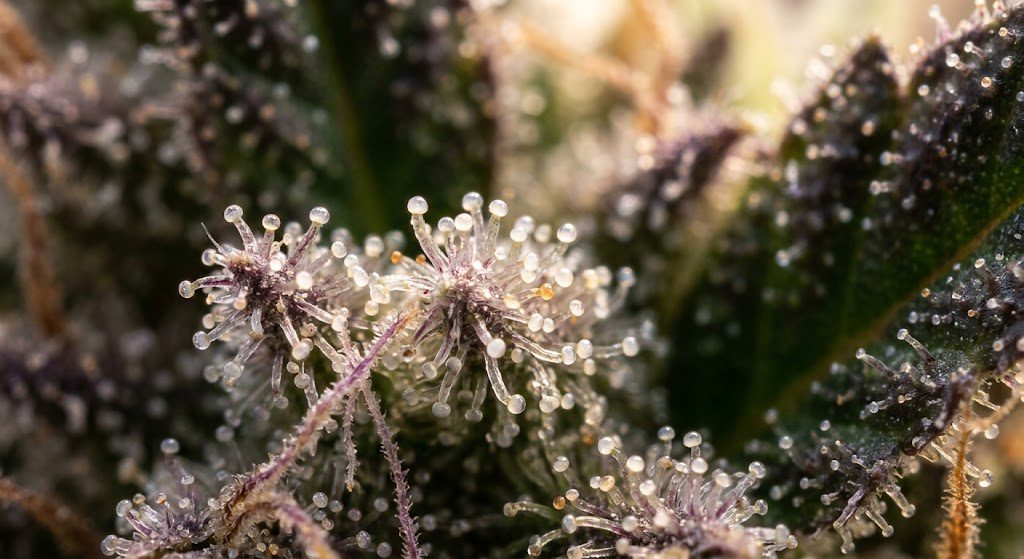
Hemp Trichomes are tiny, mushroom-shaped resin glands that coat the surface of ripe hemp flowers and leaves, acting as the primary manufacturing hubs for phytocannabinoids, terpenes, and flavonoids. Understanding these microscopic botanical structures provides essential insight into plant biology, resin maturation, and the physical integrity required to produce clean, high-grade broad-spectrum extracts. As the Australian hemp industry continues to mature alongside regulatory guidance from the Therapeutic Goods Administration (TGA), educational focus on raw plant quality and clean processing methods remains paramount for verifying product consistency.
Understanding Hemp Trichomes and Botanical Anatomy
From a botanical standpoint, trichomes serve as protective physical and chemical barriers for the industrial hemp plant (Cannabis sativa L.). During the flowering phase, these glandular structures develop along the calyxes, bracts, and sugar leaves. Their primary biological function in nature is to deter herbivores, shade plant tissue from excessive ultraviolet radiation, and protect delicate reproductive organs from environmental stressors such as wind and frost.
Botanists classify hemp trichomes into three distinct structural categories based on their shape and physical size:
- Bulbous Trichomes: The smallest trichome type, measuring between 10 and 30 micrometres. These minute structures are scattered across the surface of leaves and stems, producing modest amounts of specialized resin.
- Capitate-Sessile Trichomes: Significantly larger than bulbous types, these stemless glands feature a rounded cap that lies flush against the plant surface, containing a concentrated reservoir of phytocannabinoids.
- Capitate-Stalked Trichomes: The most abundant and economically valuable trichome category. Measuring between 50 and 100 micrometres in width, capitate-stalked trichomes feature a prominent cellular stalk topped by a spherical resin head where active metabolic syntheses occur.
The 5 Essential Keys to Hemp Trichomes and Extract Quality
Evaluating raw plant material through the lens of trichome health allows producers and researchers to assess phytochemical density prior to processing. Here are the five foundational aspects connecting trichome development to final extract purity:
1. Structural Maturity and Harvest Timing
The lifecycle of a trichome head undergoes clear visual changes as the plant approaches peak maturity. In early flowering, trichome heads appear entirely clear and transparent. As cannabinoid biosynthesis accelerates, the resin within the head turns a milky, opaque white, indicating peak phytocannabinoid concentration. If harvested too late, trichomes transition to an amber or brown hue as compounds naturally degrade into secondary metabolites. Precision timing ensures maximum phytochemical richness.
2. Phytochemical Synthesis in the Secretory Cavity
The spherical cap of a capitate-stalked trichome houses a specialized secretory cavity situated above a ring of disc cells. These disc cells transport nutrients and precursor molecules from the plant body, synthesising compounds into acidic phytocannabinoids and volatile terpenes. The resulting resinous oil accumulates beneath the outer cuticle layer of the trichome head.
3. Physical Fragility and Harvesting Integrity
Trichome heads are anchored to their stalks by a narrow abscission layer, making them remarkably sensitive to physical impact. Careless handling, rough mechanical trimming, or improper storage can cause trichome heads to snap off, stripping the plant material of its most valuable resinous compounds before extraction even begins.
4. Thermal and Environmental Sensitivity
The volatile terpenes and delicate cannabinoid profiles contained within trichome heads are highly susceptible to heat, light, and oxidation. Exposure to elevated temperatures during drying or curing can cause low-boiling-point terpene fractions to evaporate rapidly, diminishing the aromatic complexity and overall balance of the raw biomass.
5. Clean Extraction Efficiency
When high-density, intact trichomes enter clean extraction workflows—such as supercritical carbon dioxide or cold solvent processing—the goal is to selectively isolate the resin content without dissolving unwanted plant waxes, cellular lipids, or bitter chlorophyll from the underlying leaf tissue. Intact trichomes facilitate cleaner separation and higher purity yield.
Preserving Delicate Resins During Clean Processing
Maintaining trichome structural integrity requires rigorous post-harvest practices. Cultivators utilise climate-controlled drying rooms with strict temperature and relative humidity targets to preserve aromatic compounds while preventing moisture-induced mold growth. Gentle hand-processing techniques or specialized cold-chain handling ensure that resin heads remain attached to the biomass until gentle extraction occurs. To discover additional guides on hemp chemistry and botanical standards, explore our published articles on the Purest CBD Australia Blog.
Frequently Asked Questions About Hemp Trichomes
What role do hemp trichomes play in cannabinoid production?
Hemp trichomes act as specialized cellular factories where disc cells synthesise precursor nutrients into phytocannabinoids and terpenes, storing these concentrated compounds within a protective resinous head atop the stalk structure.
How do processing methods affect trichome integrity?
Aggressive mechanical friction, excessive heat, and ambient UV exposure can rupture delicate trichome cuticles, leading to the oxidation of cannabinoids and the evaporation of volatile aromatic terpenes prior to extraction.
Can trichome appearance indicate optimal harvest readiness?
Yes, microscopic evaluation of trichome colouration provides a clear indicator of plant maturity. Cultivators monitor the shift from translucent to milky-white resin heads to determine peak phytocannabinoid density before harvest.
Conclusion
Understanding the structure and lifecycle of Hemp Trichomes highlights the critical connection between sustainable agricultural practices, gentle post-harvest handling, and clean botanical refinement. By safeguarding these microscopic resin glands throughout harvest and processing, Australian producers can maintain the natural integrity and balance of hemp-derived compounds for research and product formulation.
Recent Comments