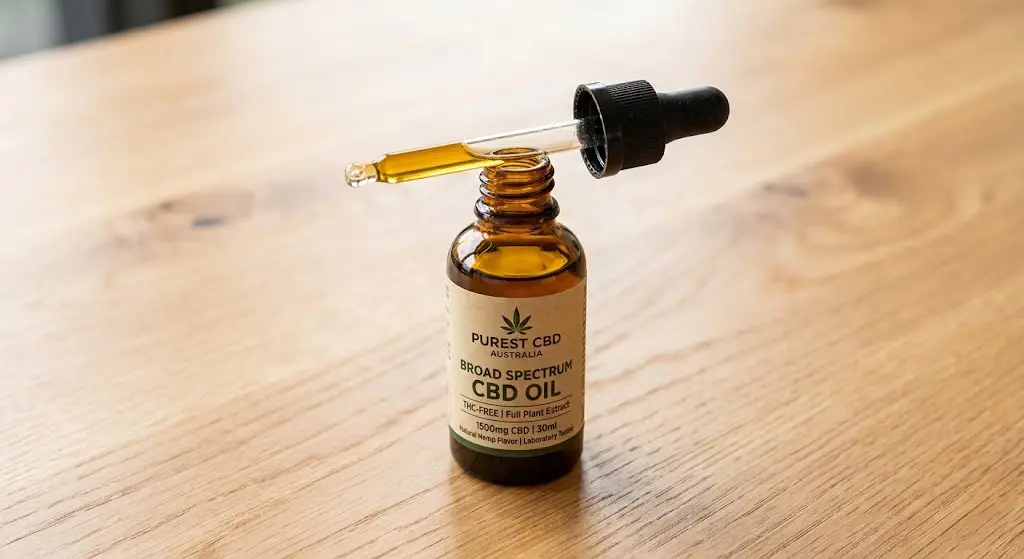
Navigating the evolving landscape of hemp-derived products requires a clear understanding of botanical extraction methodologies and cannabinoid classifications. Among the primary product categories available today, Broad Spectrum CBD has emerged as a distinct formulation designed for individuals seeking multi-cannabinoid extracts without detectable levels of tetrahydrocannabinol (THC). For informative resources and articles on hemp science, visit the Purest CBD Australia Blog.
To fully grasp what sets this formulation apart, it is necessary to examine how cannabinoids interact within the plant matrix, how refining processes selectively remove specific compounds, and how independent laboratory verification ensures compliance with national standards.
Understanding Broad Spectrum CBD Composition
The hemp plant (Cannabis sativa) produces over one hundred distinct phytocannabinoids alongside terpenes, flavonoids, and essential fatty acids. The term broad spectrum refers specifically to a refined extract that retains a range of naturally occurring cannabinoids and aromatic terpenes while systematically eliminating THC.
In contrast to other extract types, the composition of hemp extracts generally falls into three standardised categories:
- Full Spectrum Extracts: Contain the entire range of naturally occurring phytocannabinoids, terpenes, and trace amounts of THC (typically below 0.3% or legal thresholds).
- Broad Spectrum CBD Extracts: Formulated by refining full spectrum material to selectively target and remove THC while preserving secondary cannabinoids such as Cannabigerol (CBG), Cannabinol (CBN), and Cannabichromene (CBC).
- CBD Isolates: Highly purified compounds consisting of 99% crystalline cannabidiol, with all other plant compounds, terpenes, and secondary cannabinoids completely isolated and removed.
By retaining secondary cannabinoids and native terpenes, broad spectrum options provide a complex botanical profile without including detectable THC content.
How Broad Spectrum CBD Is Processed and Refined
Producing a high-purity broad spectrum formulation involves precise multi-stage extraction and chromatography technologies. Understanding these processing stages helps consumers evaluate product quality and manufacturing integrity.
The manufacturing pipeline typically follows these core technical phases:
- Primary Extraction: Raw industrial hemp plant material undergoes primary extraction using either supercritical carbon dioxide (CO2) or food-grade ethanol. Supercritical CO2 extraction uses controlled pressure and temperature to gently separate crude oil from raw plant material without thermal degradation.
- Winterisation and Filtration: The crude extract is dissolved in an alcohol solution and cooled to sub-zero temperatures. This step precipitates plant waxes, lipids, and chlorophyll, which are subsequently filtered out to yield a cleaner oil.
- Flash Chromatography: To create a broad spectrum extract, the oil undergoes specialised column chromatography or centrifugal partition chromatography. This sophisticated separation process specifically isolates and removes THC molecules based on their unique chemical affinity, leaving the remaining cannabinoid matrix intact.
- Distillation and Solvent Removal: Solvent residues are evaporated under vacuum conditions to yield a purified distillate rich in cannabidiol and complementary minor phytocannabinoids.
Key Features of Broad Spectrum CBD Formulations
Evaluating hemp extracts requires an objective look at chemical stability, botanical synergy, and compliance parameters. Broad spectrum options present several distinct characteristics:
- Non-Detectable THC Levels: Advanced processing ensures that THC levels fall below analytical detection limits, making it suitable for individuals who prefer to avoid THC entirely due to workplace testing policies or personal preference.
- Preservation of the Terpene Profile: Terpene hydrocarbons such as myrcene, beta-caryophyllene, and limonene contribute to the distinct botanical aroma and characteristic qualities of the extract.
- Synergistic Cannabinoid Complexity: The presence of secondary compounds like CBG and CBC maintains the structural complexity of the natural hemp plant, distinguishing it from single-molecule isolates.
Verifying Quality and Certificate of Analysis (COA) Standards
Quality assurance in the botanical extract sector relies entirely on analytical testing performed by independent, third-party laboratories. A comprehensive Certificate of Analysis (COA) serves as the definitive document for verifying product purity and compliance.
When reviewing a COA for broad spectrum products, consider the following parameters:
- Cannabinoid Profile & Potency: High-performance liquid chromatography (HPLC) testing quantifies the exact concentration of cannabidiol alongside minor cannabinoids like CBG, CBN, and CBC.
- THC Quantification: Testing should confirm that THC concentrations remain below limit of detection (LOD) or limit of quantitation (LOQ) thresholds.
- Contaminant Screening: Comprehensive testing confirms the absence of heavy metals, residual solvents, pesticides, mycotoxins, and microbial contaminants. Regulatory oversight of therapeutic and botanical substances in Australia is managed by the Therapeutic Goods Administration, emphasizing the importance of stringent testing protocols across the industry.
Frequently Asked Questions About Broad Spectrum CBD
What is the primary difference between full spectrum and broad spectrum CBD?
The primary distinction lies in the presence of THC. Full spectrum extracts contain trace amounts of naturally occurring THC, whereas broad spectrum extracts undergo additional processing to selectively remove THC while retaining secondary cannabinoids and terpenes.
Does broad spectrum CBD contain zero THC?
Broad spectrum formulations are processed to remove THC down to non-detectable levels using precise laboratory equipment. While analytical testing verifies that THC is below quantifiable detection limits (LOD), consumers should always check third-party COAs to confirm test results.
How can I verify if a product is truly broad spectrum?
Always inspect the product’s batch-specific Certificate of Analysis (COA). A legitimate broad spectrum product will show measurable levels of CBD and secondary cannabinoids (such as CBG or CBC) alongside a non-detectable (ND) result for THC.
Are broad spectrum CBD products legally regulated in Australia?
Yes, low-dose and prescription cannabinoid formulations in Australia are subject to strict regulatory oversight, quality standards, and scheduling guidelines to ensure consumer safety and analytical precision.
Summary of Broad Spectrum CBD Fundamentals
In summary, Broad Spectrum CBD offers a sophisticated middle ground between full spectrum plant extracts and isolated cannabidiol. By retaining complementary cannabinoids and natural terpenes while removing detectable THC, broad spectrum formulations provide a balanced botanical profile. Understanding extraction methodologies, cannabinoid profiles, and laboratory verification empowers consumers to select quality-controlled hemp extracts with confidence.
Recent Comments