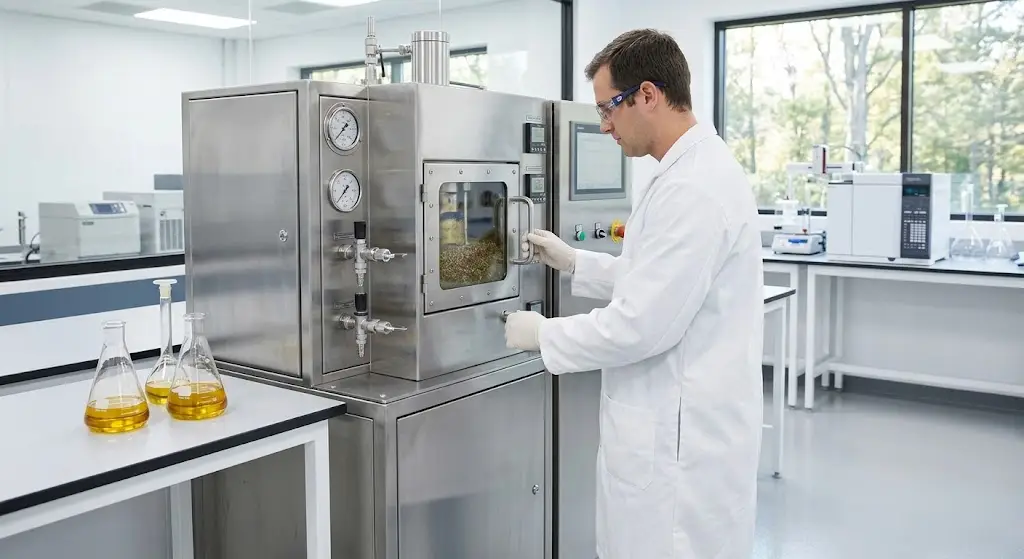
The botanical architecture of industrial hemp (Cannabis sativa L.) contains a sophisticated matrix of active plant compounds, including non-intoxicating cannabinoids, volatile terpenes, and beneficial flavonoids. To isolate these natural constituents while maintaining chemical integrity, understanding modern hemp extraction methods is essential for evaluating product quality and botanical purity. For readers interested in exploring broader plant science topics, our Purest CBD Australia Educational Blog offers ongoing educational insights into cannabinoid research and industry standards.
The Role of Botanical Science in Industrial Hemp
Industrial hemp flowers and leaves are covered in microscopic glandular structures known as trichomes. These specialized resin glands synthesize primary phytochemicals, including broad-spectrum cannabinoids like cannabidiol (CBD), cannabigerol (CBG), and cannabinol (CBN). Because these compounds are lipophilic (fat-soluble) and sensitive to ambient oxygen, light, and elevated temperatures, the chosen extraction technique must balance high yield efficiency with delicate compound protection.
Selecting an inappropriate processing method can lead to thermal degradation, transforming sensitive botanical profiles or introducing unwanted organic contaminants into the crude extract. As a result, commercial facilities utilize precise, closed-loop systems to carefully separate resinous plant compounds from raw fibrous plant material.
Supercritical CO2 and Primary Hemp Extraction Methods
Among the various hemp extraction methods utilized in professional botanical laboratories, carbon dioxide processing is widely recognized for its cleanliness and precision. Supercritical CO2 extraction involves subjecting carbon dioxide gas to specific temperature and pressure parameters, causing it to enter a dual fluid-gas phase.
- Supercritical CO2 Extraction: By keeping carbon dioxide at temperatures above 31.1°C and pressures exceeding 73.9 bar, the solvent acquires gaseous diffusion properties alongside liquid solvent strength. This allows it to gently dissolve plant waxes and target compounds without leaving toxic chemical residues behind. Once pressure is released, the CO2 vaporises cleanly, leaving pure extract.
- Subcritical CO2 Extraction: Conducted at lower temperatures and lower pressures, subcritical processing preserves highly volatile monoterpenes and delicate aromatic oils, though it yields a lower total volume of heavier cannabinoids.
Comparing Solvent and Solventless Hemp Extraction Methods
Beyond carbon dioxide systems, manufacturers employ alternative processing methodologies depending on the desired target compounds, scale, and final formulation profile.
Liquid solvent extraction typically uses food-grade ethanol to strip active compounds from the plant matrix. Cold ethanol extraction minimizes the co-extraction of plant chlorophylls, yielding a lighter, golden extract that requires less extensive filtration. Following initial crude extraction, winterisation techniques—cooling the liquid to sub-zero temperatures—allow heavy plant fats, lipids, and waxes to precipitate out of the solution for easy filtration.
In Australia, regulatory frameworks overseen by bodies like the Therapeutic Goods Administration (TGA) enforce rigorous quality standardisation for legal botanical preparations, emphasizing strict limits on residual solvents, heavy metals, pesticides, and microbial contaminants. Proper post-extraction refining ensures finished extracts remain pure, stable, and consistently standardized.
Frequently Asked Questions About Hemp Extraction Methods
- What makes supercritical CO2 extraction preferred for industrial hemp?
Supercritical CO2 is non-flammable, non-toxic, and completely leaves the extract upon depressurisation, eliminating the risk of residual hydrocarbon solvents in the final material. - Do different extraction methods alter the natural terpene profile?
Yes. High-heat extraction techniques can degrade delicate volatile terpenes. Low-temperature processes, such as subcritical CO2 or chilled ethanol extractions, are better suited for preserving sensitive aromatic terpenes. - Why is winterisation necessary after primary extraction?
Winterisation removes naturally occurring plant lipids, waxes, and chlorophyll. Removing these heavy components improves extract clarity, stability, and overall formulation consistency.
Conclusion
Botanical extraction represents a precise intersection of chemistry and plant science. Whether evaluating advanced supercritical CO2 technology or refined cold ethanol systems, understanding these hemp extraction methods empowers individuals to make informed choices based on botanical purity, extraction cleanliness, and rigorous laboratory standardisation.
Recent Comments