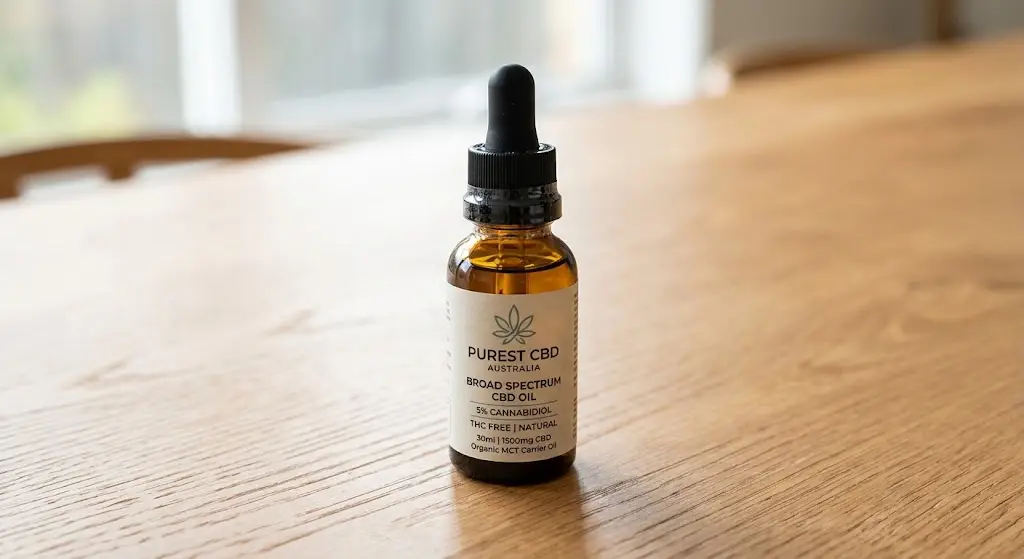
Navigating the expanding world of hemp-derived extracts requires clear information and a solid understanding of product terminology. Among the various extract categories available today, this broad spectrum CBD guide explores one of the most widely discussed options for consumers seeking comprehensive plant profiles without detectable levels of tetrahydrocannabinol (THC). Whether you are reviewing product labels or exploring educational resources across the Purest CBD Australia blog, understanding how these formulations are produced and verified is essential for making informed choices.
This comprehensive broad spectrum CBD guide breaks down the core characteristics of broad spectrum hemp extracts, how they differ from other product types, key quality testing markers, and what Australian consumers should look for on third-party certificates of analysis.
Broad Spectrum CBD Guide: Formulations & Extraction Standards
To understand what sets broad spectrum extracts apart in any broad spectrum CBD guide, it is helpful to look at how raw industrial hemp is processed following harvest. Hemp plants naturally contain over a hundred distinct compounds, including primary cannabinoids, minor cannabinoids, flavonoids, and aromatic terpenes. During the extraction process, manufacturers isolate these valuable phytochemicals from the raw plant material using advanced methods such as supercritical carbon dioxide (CO2) extraction.
Once initial extraction takes place, the resulting oil can be refined into three primary categories:
- Full Spectrum Extracts: Retain the complete botanical profile of the source plant, including naturally occurring trace amounts of THC alongside primary and minor cannabinoids.
- Broad Spectrum CBD Extracts: Undergo additional chromatographic refinement or selective distillation to remove detectable THC while preserving minor cannabinoids (such as CBG and CBN) and natural terpenes.
- CBD Isolates: Undergo extensive purification to remove all other plant compounds, resulting in a crystalline powder that contains pure cannabidiol.
By retaining a diverse matrix of non-intoxicating plant compounds while stripping out THC, broad spectrum formulations offer a balanced middle ground for individuals who prefer to avoid THC entirely in their product selections.
Key Manufacturing and Quality Standards
The overall quality of any product highlighted in a broad spectrum CBD guide depends heavily on raw material sourcing and manufacturing standards. High-grade broad spectrum extracts begin with non-GMO industrial hemp cultivated under clean agricultural conditions without the use of synthetic pesticides or harmful chemical fertilizers.
Following harvest, clean extraction methods ensure that no residual solvents remain in the final extract. Supercritical CO2 extraction is widely considered the gold standard in the industry because it utilizes pressure and temperature to gently isolate active compounds without introducing synthetic chemicals. After primary extraction, specialized chromatography techniques separate and remove THC molecules to below laboratory detection limits while leaving remaining minor cannabinoids intact.
Evaluating Broad Spectrum CBD Guide Labels and Purity
Reading product labels accurately is a vital skill emphasized throughout this broad spectrum CBD guide when purchasing hemp extracts. Clear, transparent labeling ensures that consumers know exactly what is inside the bottle. When evaluating broad spectrum CBD products, pay close attention to the following key details:
- Total Cannabinoid Concentration: Labels should clearly state the total milligrams of active CBD per bottle as well as per serving unit (e.g., per millilitre or per capsule).
- Extract Type Declaration: The label should explicitly identify the product as broad spectrum rather than using vague descriptors like “hemp extract oil.”
- Batch and Lot Numbers: Legitimate products feature visible batch tracking numbers that correspond directly to independent laboratory reports.
- Ingredient Transparency: Look for simple, clean carrier oils such as organic medium-chain triglyceride (MCT) oil or hemp seed oil, without synthetic additives or artificial flavourings.
The Role of Third-Party Laboratory Testing
Independent third-party laboratory testing is the ultimate benchmark for product purity and consistency. Authentic manufacturers publish a Certificate of Analysis (COA) for every production batch. In Australia, regulatory overview by bodies such as the Therapeutic Goods Administration (TGA) emphasizes strict quality assurance, safety standards, and accurate product composition across health and wellness categories.
When reviewing a COA for a broad spectrum product, verify the following parameters:
- Cannabinoid Profile: Confirms the exact concentration of CBD alongside minor cannabinoids like CBG and CBC, while verifying that THC levels are nondetectable (ND).
- Contaminant Screening: Verifies that the batch is free from heavy metals, pesticides, residual solvents, mycotoxins, and microbial contaminants.
- Terpene Profile (Optional): Details the presence of natural aromatic terpenes such as myrcene, limonene, and beta-caryophyllene.
Broad Spectrum CBD Guide: Frequently Asked Questions
What is the main difference between broad spectrum and full spectrum CBD?
The primary distinction lies in the THC content. Full spectrum extracts contain trace amounts of naturally occurring THC, whereas broad spectrum formulations undergo additional refinement to eliminate detectable THC while retaining other beneficial hemp cannabinoids and terpenes.
Does broad spectrum CBD contain any THC?
Broad spectrum products are specifically processed to remove THC to below standard laboratory detection limits (often reported as 0.0% or non-detectable). However, consumers should always inspect the batch COA to confirm lab-verified non-detectable levels.
How should broad spectrum CBD products be stored?
To preserve cannabinoid integrity and shelf life, store broad spectrum products in a cool, dark place away from direct sunlight, excess humidity, and direct heat sources. Keep the bottle tightly sealed when not in use.
Conclusion
Understanding product categories and label transparency empowers consumers to select quality hemp extracts with confidence. By preserving a rich array of non-intoxicating cannabinoids and terpenes while eliminating THC, following this broad spectrum CBD guide provides a refined option for educational exploration. Always prioritize transparent brands that provide accessible third-party testing and adhere to rigorous manufacturing standards.
Recent Comments