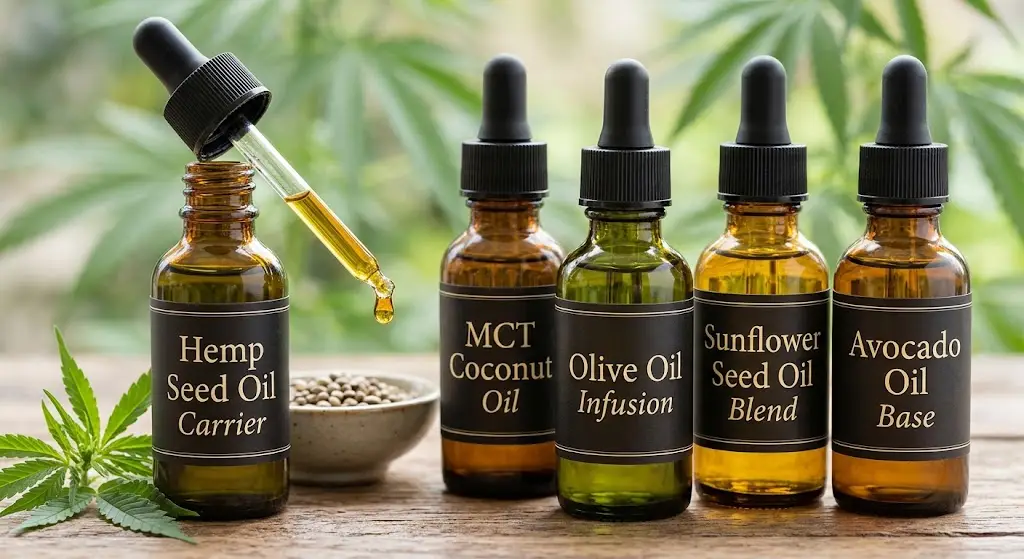
When exploring hemp-derived botanical products, understanding CBD carrier oils is a fundamental step in evaluating overall formula composition. Cannabidiol (CBD) extract is fat-soluble, meaning it requires a lipid base to remain evenly distributed and easily measurable in liquid tinctures. The choice of carrier oil directly influences product texture, shelf stability, flavour profile, and overall consistency.
In the Australian regulatory framework, liquid hemp extract formulations must meet strict manufacturing standards maintained by regulatory bodies like the Therapeutic Goods Administration (TGA). Understanding how different lipid bases interact with cannabinoids allows consumers to make informed choices based on ingredient transparency and botanical quality.
Understanding CBD Carrier Oils and Their Role in Formulations
A carrier oil serves as a solvent medium that dilutes concentrated botanical extracts into precise, uniform concentrations. Because raw hemp extracts are thick, viscous substances, mixing them with liquid lipid bases ensures that every drop delivers an even ratio of active phytochemicals.
Beyond simple dilution, carrier oils play key structural roles in botanical formulations:
- Solubility Maintenance: Lipids hold lipid-soluble cannabinoids such as CBD, CBG, and CBN in stable solution without separation.
- Measurement Accuracy: Standardised liquid bases allow precise volume measurement using calibrated droppers.
- Flavour Mitigation: Natural vegetable oils temper the earthy, bitter undertones of raw hemp terpenes.
- Oxidative Protection: Certain carrier fats offer greater resistance to oxidation, helping preserve compound integrity over time.
5 Key Types of CBD Carrier Oils Used in Botanical Products
Manufacturers select specific plant-derived oils depending on desired shelf life, viscosity, and natural lipid profile. Here are the 5 most common carrier oils used across the industry:
1. Medium-Chain Triglyceride (MCT) Oil
Derived primarily from coconut or palm kernel oil, MCT oil is widely considered the industry standard carrier base. Composed of medium-chain fatty acids (typically caprylic acid C8 and capric acid C10), MCT oil is virtually colourless, odourless, and tasteless. Its lightweight molecular structure allows it to remain liquid at room temperature and resist rapid oxidation.
2. Hemp Seed Oil
Extracted from cold-pressed industrial hemp seeds, hemp seed oil creates a full-hemp synergy. While hemp seed oil contains negligible levels of active cannabinoids, it is rich in essential fatty acids, including omega-3 (alpha-linolenic acid) and omega-6 (linoleic acid) in an optimal 3:1 ratio. It features a rich, dark green appearance and a distinctly nutty flavour.
3. Extra Virgin Olive Oil
Olive oil has a long history of use in botanical preparations due to its high concentration of monounsaturated fats (primarily oleic acid) and natural antioxidants like vitamin E. Its heavier viscosity and distinct olive taste make it a robust, natural alternative, though it may solidify slightly in cold environments.
4. Sunflower Seed Oil
High-oleic sunflower oil is prized for its mild, neutral taste and excellent thermal stability. Rich in lecithin and vitamin E, sunflower seed oil provides an ideal option for individuals with coconut or tree nut sensitivities who require a light, allergen-friendly lipid base.
5. Avocado Oil
Avocado oil is a dense, highly stable lipid carrier loaded with vitamins A, D, and E alongside monounsaturated fatty acids. Because of its heavier texture and higher viscosity, avocado oil is frequently selected for specialised oral liquids or topical botanical formulations requiring rich skin-feel.
Comparing CBD Carrier Oils for Stability and Shelf Life
When selecting or evaluating products in our CBD Education section, analysing carrier oil stability is essential. The shelf life of any cannabinoid tincture is heavily influenced by the oxidative stability of its lipid base.
Saturated fats, such as those in MCT oil, possess single molecular bonds that are exceptionally resistant to light, heat, and oxygen. Polyunsaturated oils, such as hemp seed oil, contain double molecular bonds that make them more prone to oxidation over time if stored improperly. For detailed guidance on proper product preservation and storage conditions, consult our resources in Quality & Testing.
Frequently Asked Questions About CBD Carrier Oils
- Does the carrier oil affect the potency of CBD?
No. The choice of carrier oil does not alter the absolute milligram concentration of cannabidiol in a product. It serves as the delivery matrix that holds the extract in solution. - Why is MCT oil the most common carrier oil in Australian products?
MCT oil offers superior stability, a neutral flavour profile that does not obscure terpene aromas, and a thin consistency that facilitates accurate dropper measurements. - Can carrier oils spoil or go rancid?
Yes. Like all natural vegetable fats, carrier oils can degrade over time when exposed to heat, air, or direct sunlight. MCT oil has the longest shelf life, whereas hemp seed oil requires cooler, dark storage conditions to prevent rancidity.
In conclusion, evaluating CBD carrier oils provides valuable insight into product consistency, shelf stability, and ingredient transparency. Understanding whether a tincture utilizes MCT oil, hemp seed oil, or olive oil helps consumers appreciate the subtle balance between botanical purity and formulation stability.
Recent Comments