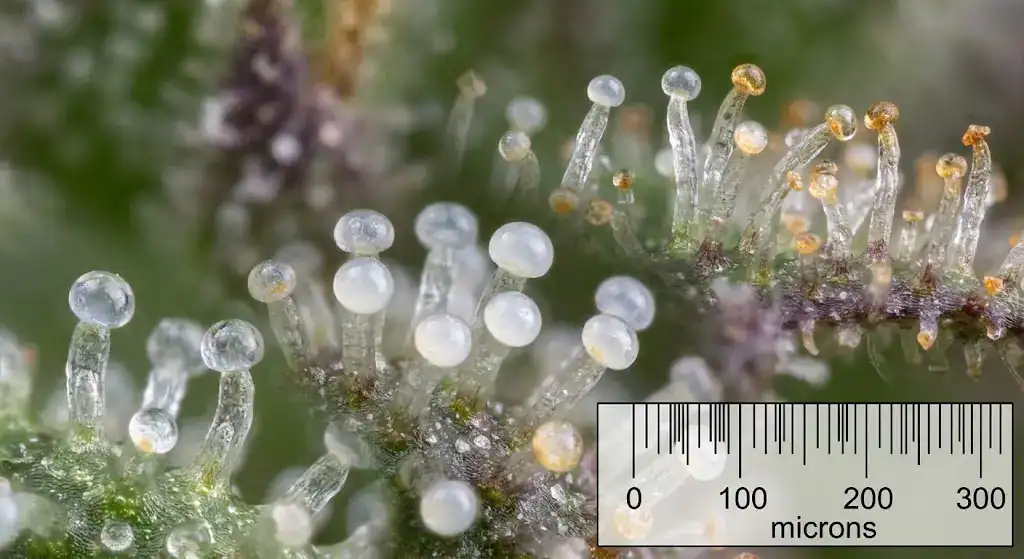
In the study of industrial hemp, Hemp Trichome Development represents one of the most critical biological processes governing cannabinoid and terpene synthesis. Trichomes are microscopic, specialised glandular structures that form predominantly on the surface of female hemp flowers and leaves. Understanding how these tiny cellular factories mature provides invaluable insight into plant physiology, secondary metabolite accumulation, and raw material purity. For researchers and agricultural specialists, tracking these development stages ensures optimal harvesting protocols and consistent botanical standards.
Industrial hemp relies on trichomes not only as natural defence mechanisms against environmental stressors, such as ultraviolet radiation and insect predation, but also as primary sites for biosynthesis. Within these specialised structures, precursors undergo enzymatic transformations to form rich chemical profiles. A thorough examination of plant anatomy reveals how environmental conditions, lighting spectra, and maturity timelines directly impact raw material quality.
Anatomy and Stages of Hemp Trichome Development
The progression of Hemp Trichome Development can be classified into distinct morphological phases, each characterised by specific structural and visual features. Hemp plants feature three primary types of glandular trichomes: bulbous, capitate-sessile, and capitate-stalked. Among these, capitate-stalked trichomes are the largest and produce the highest concentrations of secondary metabolites.
- Clear Phase (Emergence): During early flower formation, trichome heads appear entirely translucent. At this stage, secretory cells at the base of the trichome head begin synthesising fundamental precursor compounds. Metabolic concentration remains relatively low.
- Milky/Cloudy Phase (Peak Synthesis): As the flower matures, trichome heads transition from clear to an opaque, milky white appearance. This visual shift indicates maximum metabolite accumulation within the secretory cavity, signalling peak chemical maturity.
- Amber Phase (Senescence): In late-stage maturation, trichome heads gradually turn amber or light brown. This colour change reflects natural oxidative degradation and cellular breakdown within the gland head.
Accurate monitoring under magnification allows agricultural researchers to evaluate the precise biological age of the plant. Maintaining rigorous botanical evaluation protocols aligned with regulatory framework standards established by the Therapeutic Goods Administration ensures that industrial hemp crops meet strict quality benchmarks prior to processing.
Environmental Factors Influencing Hemp Trichome Development
The rate and density of Hemp Trichome Development are significantly modulated by external environmental variables. Plant physiology responds dynamically to lighting, temperature, humidity, and nutrient availability throughout the vegetative and flowering cycles.
Light spectrum and intensity play pivotal roles in triggering glandular maturation. Exposure to ultraviolet (UV-B) radiation, for instance, acts as a mild stressor that stimulates trichome density as a natural photoprotective response. Similarly, precise temperature regulation prevents heat-induced volatilisation of delicate monoterpenes and sesquiterpenes housed within the trichome cuticle.
Balanced soil nutrition, particularly controlled ratios of phosphorus and potassium during early flower formation, supports cellular integrity and glandular expansion. Proper airflow and relative humidity control are equally essential to prevent microclimates that could compromise plant tissue health or encourage fungal growth.
5 Vital & Proven Rules for Assessing Botanical Maturity
To accurately evaluate plant readiness and biological integrity, industry experts follow five key scientific standards:
- Microscopic Inspection: Utilising at least 30x to 60x optical magnification to inspect capitate-stalked head clarity rather than relying on macroscopic eye observations.
- Calibrated Harvest Timing: Harvesting when approximately 80% to 90% of trichome heads exhibit a milky translucent shade to capture peak secondary compound density.
- Controlled Ambient Drying: Preserving glandular integrity post-harvest by maintaining drying room environments at controlled temperatures and relative humidity.
- Comprehensive Phytochemical Testing: Validating chemical profiles through certified laboratory analysis to verify consistency and purity. Explore broader analytical guidelines in our educational article repository.
- Standardised Environmental Logging: Documenting light duration, temperature fluctuations, and feeding schedules to establish reproducible crop quality metrics.
Frequently Asked Questions About Hemp Trichome Development
What are trichomes on an industrial hemp plant?
Trichomes are microscopic, hair-like glandular structures found mainly on the flowers and leaves of the hemp plant. They act as natural cellular factories where cannabinoids, terpenes, and flavonoids are synthesised and stored.
How does temperature affect trichome health?
Excessive heat can degrade delicate monoterpenes and cause fragile trichome heads to rupture prematurely. Maintaining optimal ambient temperatures during growth and post-harvest drying preserves glandular integrity and volatile compound profiles.
Why is trichome colour important during plant evaluation?
Trichome colour indicates the biological maturity of the plant. Clear trichomes represent early development, milky-white trichomes signify peak compound concentration, and amber trichomes mark the onset of oxidation and natural breakdown.
In summary, understanding Hemp Trichome Development provides essential knowledge for anyone interested in industrial hemp science, raw material purity, and botanical quality standards. By combining careful environmental control with scientific inspection methods, growers and researchers ensure optimal botanical outcomes while upholding strict compliance and analytical precision.
Recent Comments